Post-remediation clearance testing in Gig Harbor is the final check that a mold work area is clean, dry and free of visible growth before containment is removed and repairs begin. It pairs a visual inspection and moisture readings with lab samples when they add useful proof. Call the number on this page to be connected with a local mold inspector in Gig Harbor.
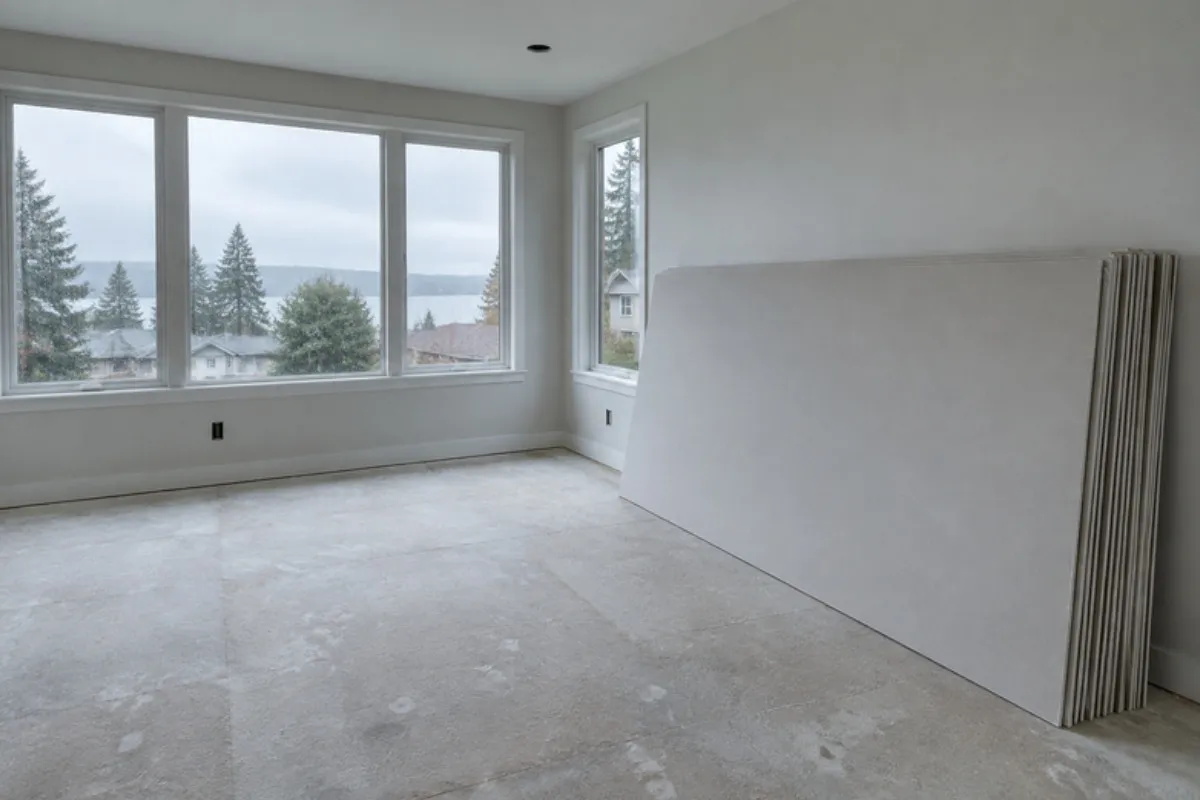
Our Gig Harbor house is fairly new. Why would clearance find anything?
Newer does not mean dry. The median Gig Harbor home was built in 1996, which puts many houses at the age when original roofing, flashing and window seals start letting small amounts of water into walls. A remediation crew can remove the growth it finds, but if a slow leak behind siding or a damp crawl space fed that growth, the framing may still read wet when the work looks finished. A clearance assessor checks moisture in studs, sheathing and subfloor, not just the surfaces you can see, and holds sign-off until those numbers come down.
What exactly gets checked on clearance day?
Expect a walk-through inside the containment with a flashlight and moisture meter. The assessor looks for remaining staining or growth on wood, dust settled on plastic and ledges, and debris left in corners. Where it helps, the assessor takes samples. EPA notes that surface sampling can show whether an area has been adequately cleaned, and air samples from inside containment are compared with outdoor air taken the same day. Because EPA and the federal government set no spore limits, a fair report explains its comparison rather than quoting a single magic number. Near the bay, where outdoor counts move with wind and weather, that same-day outdoor sample is especially important.
Who should we hire, and what will it run?
Washington has no state mold license or certification, according to the Department of Health, so ask any assessor about training, voluntary credentials such as IICRC, and which lab analyzes samples. Angi recommends a different company for testing than for removal, which keeps the person deciding pass or fail free of any interest in the outcome. On price, HomeGuide's 2026 national figures put an air sample at $100 to $300 and a surface sample at $50 to $200; the total depends on how many rooms or cavities are checked. Write into the remediation contract that containment stays up until clearance passes and who pays for a second round if it does not.
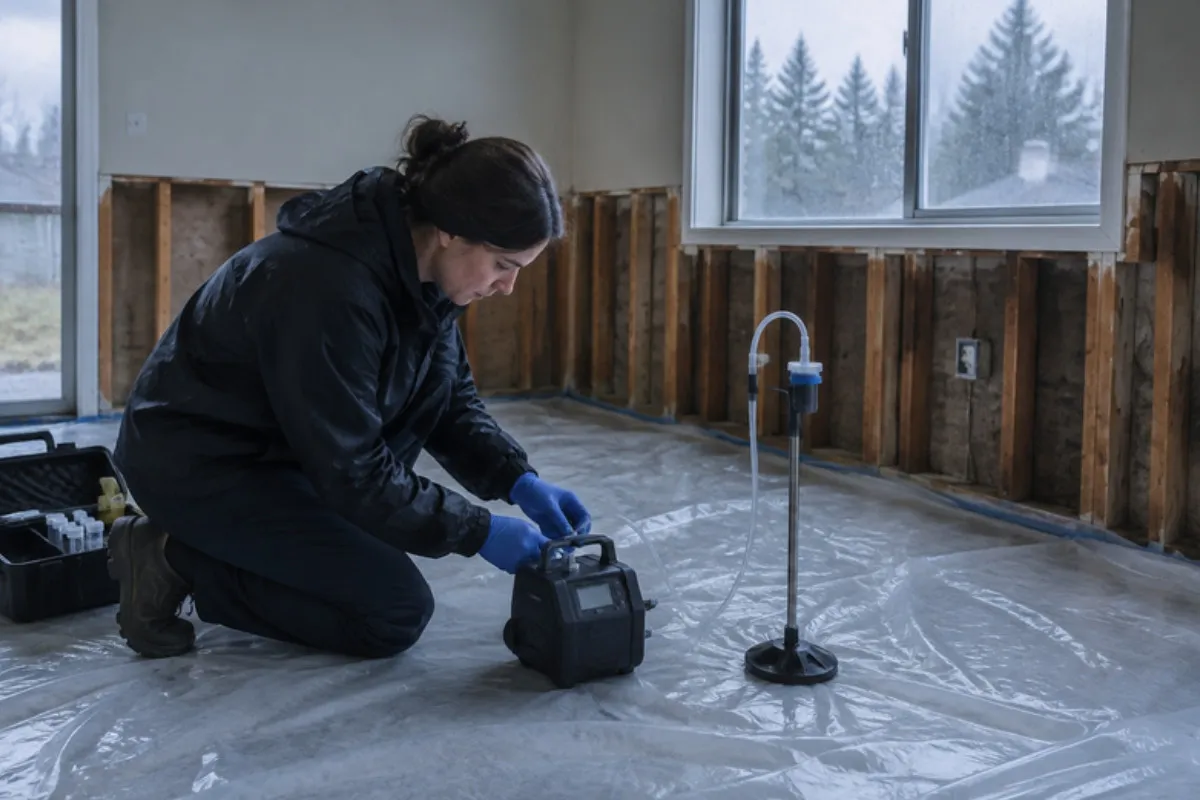
Before the rebuild in Gig Harbor
Once the area passes, drywall, insulation and trim can go back in. Inside city limits, the City of Gig Harbor Building and Fire Safety Division issues building permits, including repair permits, so check with it before closing walls. Homes in flood hazard, bluff or ravine areas fall under the city's critical areas rules, and the FEMA flood map is posted on the city's Maps page. The Tacoma-Pierce County Health Department's Healthy Homes program has general mold resources.
Post-Remediation Clearance Testing questions in Gig Harbor
At what point in the job should clearance happen?
What should a clearance report include?
Why would an assessor refuse to pass a clean but damp area?
Will the county health department do the clearance check?
More mold services in Gig Harbor
Post-Remediation Clearance Testing nearby
Helpful guides
Sources
- City-Data: Gig Harbor housing
- City of Gig Harbor: Building Permits
- City of Gig Harbor: Maps (FEMA FIRM)
- Tacoma-Pierce County Health Department: Mold program
- EPA: Mold Information Slideshow (testing and sampling)
- Washington DOH: Identifying an Unknown Indoor Air Quality Problem (hiring a contractor)
- Angi: How to Hire a Mold Remediation Company (separate testing and remediation)
- HomeGuide: How Much Does a Mold Inspection Cost? (2026)
Last updated: