Basement mold removal starts with figuring out where the water comes from: seepage through the foundation, condensation on cold walls, a plumbing leak, or flooding. Then moldy finishes such as drywall, carpet and insulation are removed, the area is cleaned and dried, and the source is corrected. Call the number on this page to be connected with a local mold remediation company in Seattle.
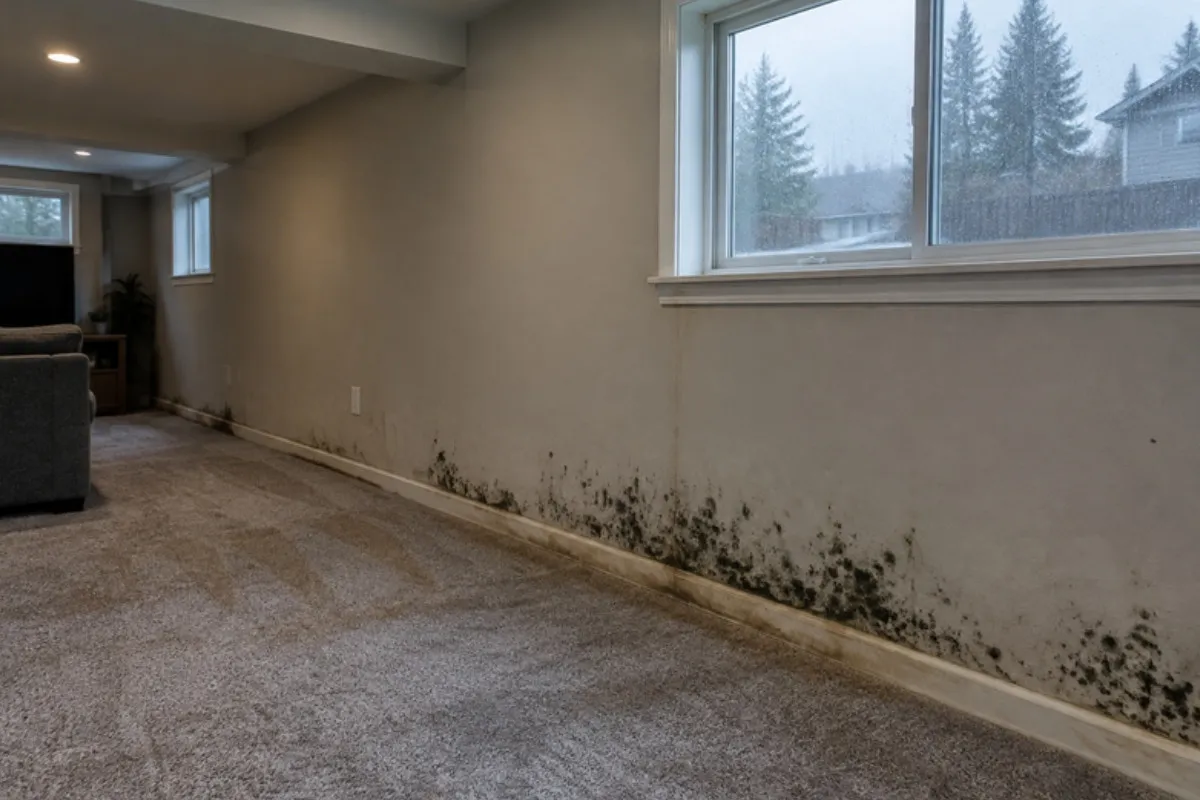
Finished or unfinished makes a big difference
In an unfinished basement, mold usually grows on things you can see and reach: concrete, framing, stored boxes. In a finished basement, mold often hides behind drywall, under carpet pad, or in the insulation against the foundation wall. EPA says porous materials such as carpet and ceiling tiles may have to be thrown away once moldy, so a finished space usually means more demolition and a higher bill.
Four ways Seattle basements get wet
- Hillside seepage. Many Seattle homes have daylight basements dug into a slope. Groundwater moving downhill pushes against the uphill wall during the wet season.
- Condensation. Below-grade walls stay cold. Moist indoor air from laundry, showers or drying clothes condenses on them, especially in winter.
- Leaks. Water heaters, washing machine hoses and drain lines often live in the basement.
- Flooding. In December 2022 a king tide pushed the Duwamish River over its banks in South Park and flooded homes and businesses. King County flood services publishes floodplain maps if you want to know your exposure.
What to do this week
- Stop or slow the water if you can and start drying. EPA and Washington DOH both say to dry water-damaged items within 24 to 48 hours.
- Run a dehumidifier. EPA suggests keeping indoor humidity below 60 percent, ideally 30 to 50.
- Move stored cardboard and fabric off the floor and away from the walls.
- Keep anyone with asthma or a weakened immune system out of the moldy area.
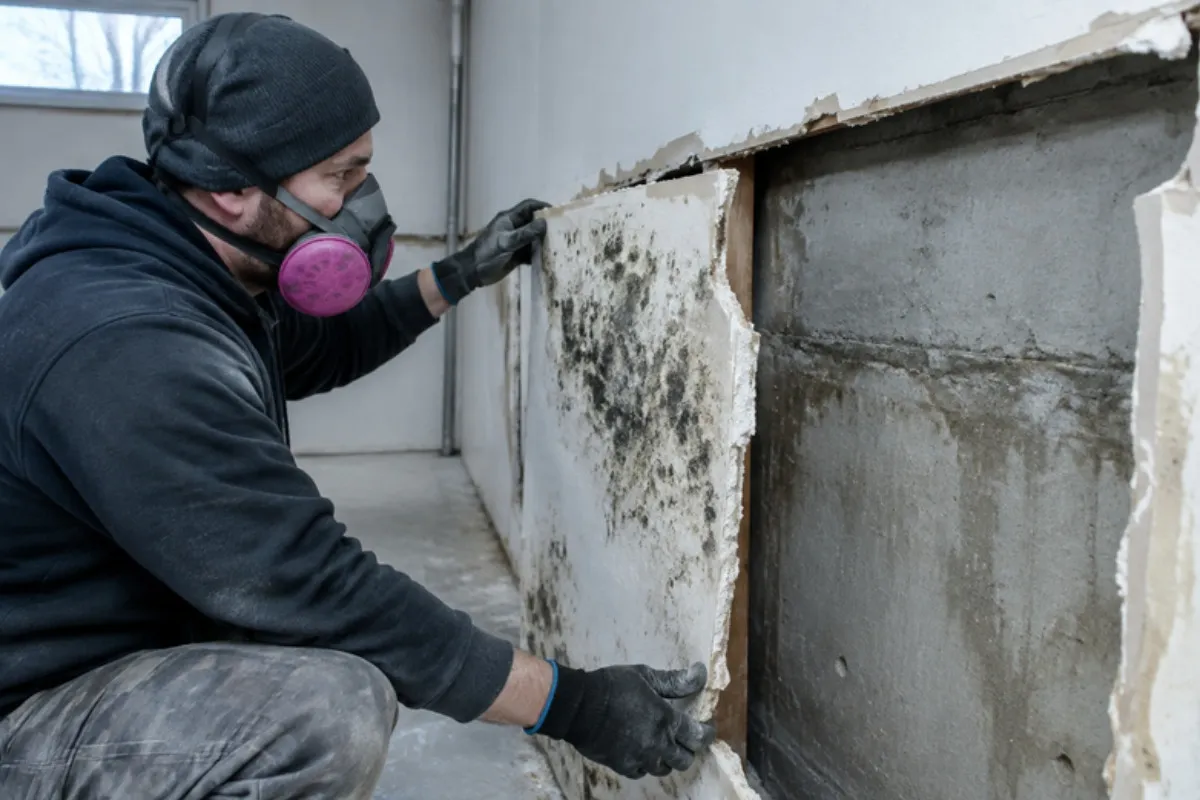
What the company should do on site
Expect moisture readings along the foundation walls and floor, a look at the outside grading, gutters and downspouts, and a check behind finishes where readings run high. A good remediation plan contains the work area, removes moldy porous materials, cleans framing and concrete, and dries everything before anything is rebuilt. Ask how they will know the space is dry. An independent inspector for a clearance check after the work is good practice, though no Washington rule requires a separate company.
Cost in Seattle
Angi's Seattle cost guide puts basement mold remediation at $425 to $2,475. HomeGuide's 2026 national ranges run $1,500 to $6,000 for partial basement work and $6,000 to $15,000 for a full basement. Drywall replacement after removal adds to the bill; Angi's Seattle guide lists $825 to $2,400 for it. Get bids in writing from companies registered with Washington L&I, and pay as phases are completed rather than all up front.
Basement Mold Removal questions from Seattle homeowners
Is it mold or efflorescence on my basement wall?
Does a dehumidifier fix basement mold?
Can I keep my finished basement drywall?
Will homeowners insurance pay for basement mold?
Related mold services in Seattle
Basement Mold Removal in nearby cities and towns
King County
Snohomish County
Pierce County
Kitsap County
Island County
Mason County
Jefferson County
Sources
- EPA: Mold Cleanup in Your Home
- EPA: A Brief Guide to Mold, Moisture and Your Home
- Washington State Department of Health: Mold
- Seattle Public Utilities: statement on South Park flooding (Dec. 2022)
- King County: Flood services
- Angi: Mold Remediation Cost in Seattle
- HomeGuide: Mold Removal Cost (2026)
- Angi: How to Hire a Mold Remediation Company
- Washington L&I: Register as a Contractor
- Washington L&I: Hire Smart Step-by-Step
Last updated: