A mold inspection is a visual and moisture-focused survey of a home that looks for growth, water damage and the conditions feeding them, often with a moisture meter and sometimes a thermal camera. It is most useful when you smell mold but can't see it, after a leak or flood, or before buying an older home. Call the number on this page to be connected with a local mold inspector or remediation company in Seattle.
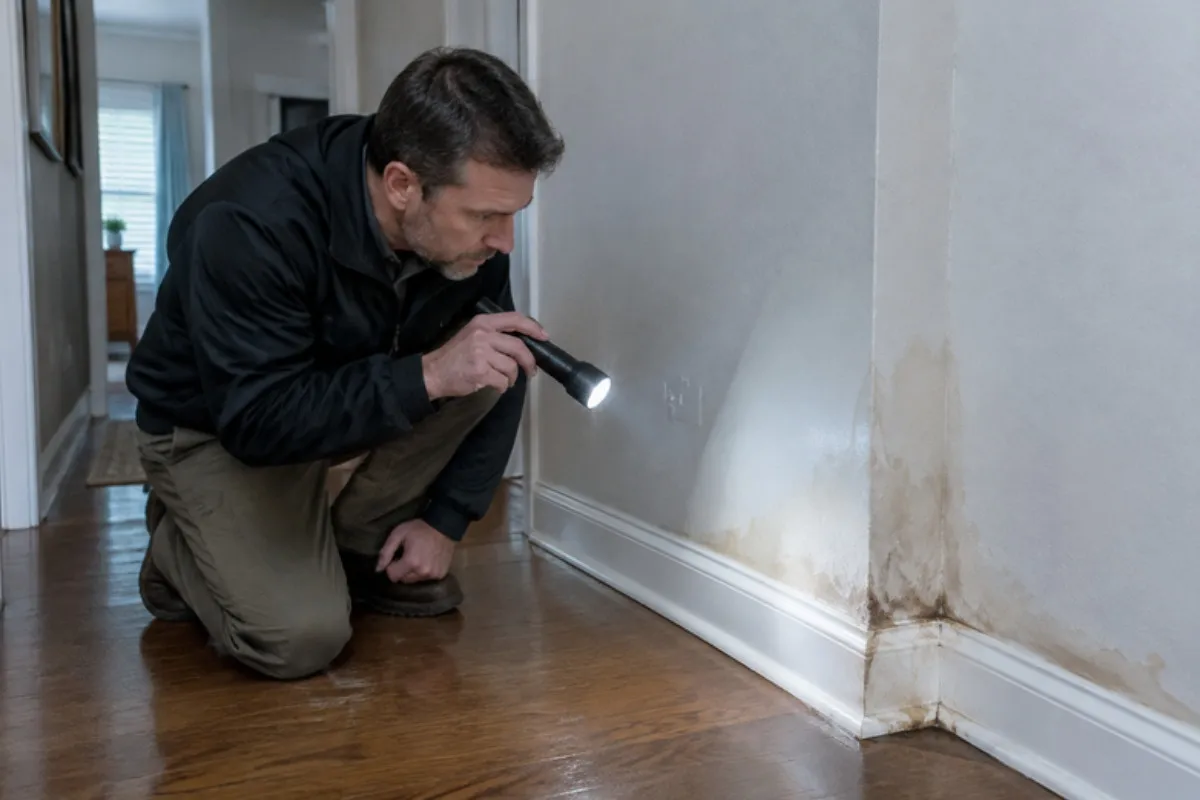
When an inspection earns its fee
If you can see a small patch on a bathroom ceiling and you know why it is there, you probably don't need an inspector. The Washington Department of Health says that in most cases you can see or smell mold, so sampling to prove it exists is rarely needed. An inspection makes sense when the question is where and how much:
- A musty odor in a closed-up room, crawl space or daylight basement with no visible source.
- A past leak, plumbing failure or flooding, such as the December 2022 king tide that pushed the Duwamish into homes in South Park.
- Peeling paint, stained drywall or soft spots near windows after a wet winter.
- Buying or selling an older house with a vented crawl space or a finished basement.
- Planning remediation and wanting a scope that isn't written by the company doing the removal.
What the inspector should do
Expect a walk-through of the whole house, not only the room you called about. A thorough inspector checks the attic for condensation from bath fans and poor ventilation, the crawl space for standing water and wet insulation, window frames for winter condensation, and plumbing walls with a moisture meter. They should ask how you heat the home and whether you run fans, since many Seattle homes rely on baseboard or forced-air heat with little mechanical ventilation.
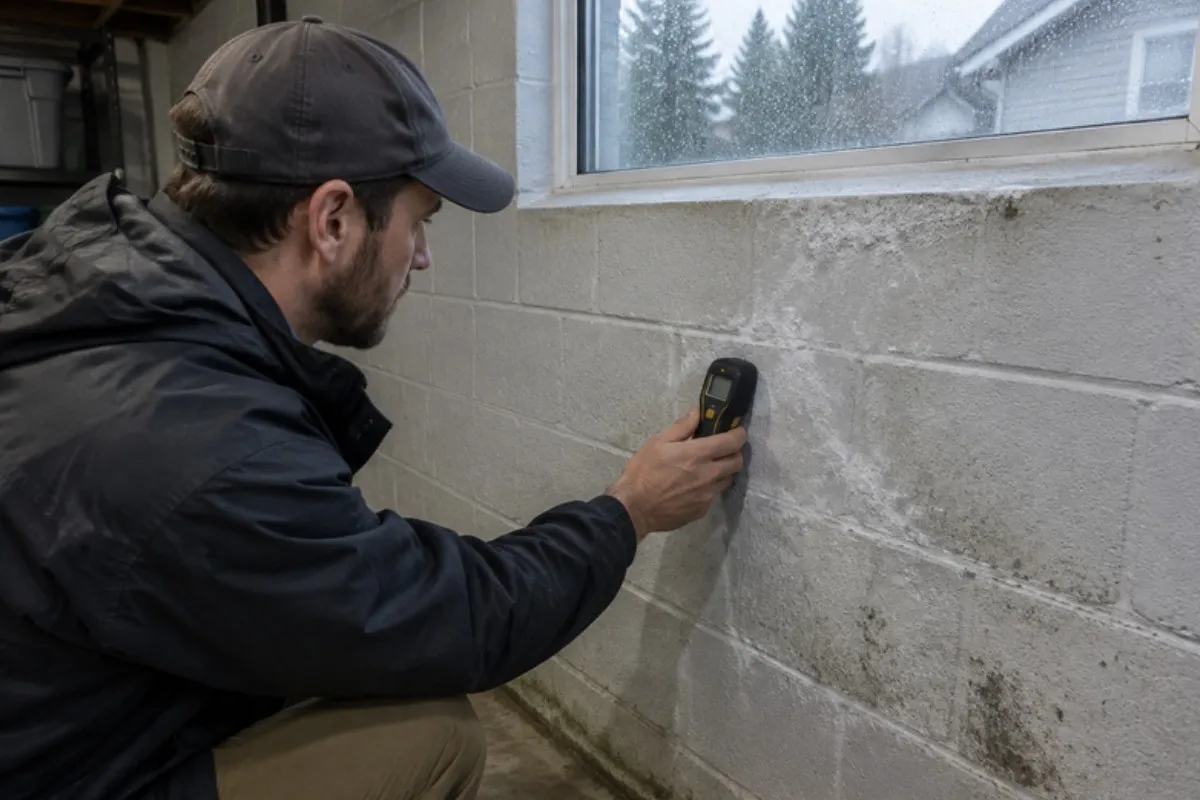
Testing is optional, not automatic
EPA says that when mold is visible, sampling is usually unnecessary, and there are no federal limits for mold spores to compare results against. Air or surface samples can still help with a specific question, such as confirming a cleaned area or checking a suspected hidden problem. If an inspector pushes lab tests before looking for moisture, ask why.
What it costs
| Service (national ranges) | Typical range |
|---|---|
| Mold inspection, Angi 2026 data | $303 to $1,044 |
| Mold inspection, HomeGuide 2026 | $300 to $650 |
| Air test, Angi 2026 data | $250 to $350 basic |
| Surface or swab test, Angi 2026 data | $200 to $300 |
Puget Sound prices vary with the size of the home, crawl space and attic access, and how many samples, if any, are taken.
What the report should tell you
Ask for a written report with photos, moisture readings by location, the likely water source, the estimated area affected, and recommendations. Washington has no state mold certification, so ask about training and experience; some inspectors come from industrial hygiene or environmental consulting backgrounds.
Mold Inspection questions from Seattle homeowners
Is a mold inspection the same as mold testing?
Can a remediation company do my inspection?
How long does a mold inspection take?
Should renters in Seattle get their own inspection?
Related mold services in Seattle
Mold Inspection in nearby cities and towns
King County
Snohomish County
Pierce County
Kitsap County
Island County
Mason County
Jefferson County
Sources
- EPA: A Brief Guide to Mold, Moisture and Your Home
- EPA: Mold Information Slideshow (testing and sampling)
- Washington State Department of Health: Mold
- Washington State Department of Health: Hiring a Contractor (indoor air)
- Washington State Department of Health: Renters, Landlords and Mold
- RCW 59.18.060: Landlord duties
- Angi: How Much Does a Mold Inspection Cost? (2026 data)
- HomeGuide: Mold Inspection Cost (2026)
- Angi: How to Hire a Mold Remediation Company
- Seattle SDCI: Rental Registration and Inspection Ordinance, renters
- Seattle Public Utilities: statement on South Park flooding (Dec. 2022)
Last updated: