Mold testing in Seattle makes sense when you smell mold but cannot find it, when you need documentation for a sale, a landlord or an insurer, or when you want proof that cleanup worked. If you can already see mold, EPA and the Washington Department of Health both say sampling is usually unnecessary, and the money is better spent finding the moisture. Call the number on this page to be connected with a local mold inspector or remediation company in Seattle.
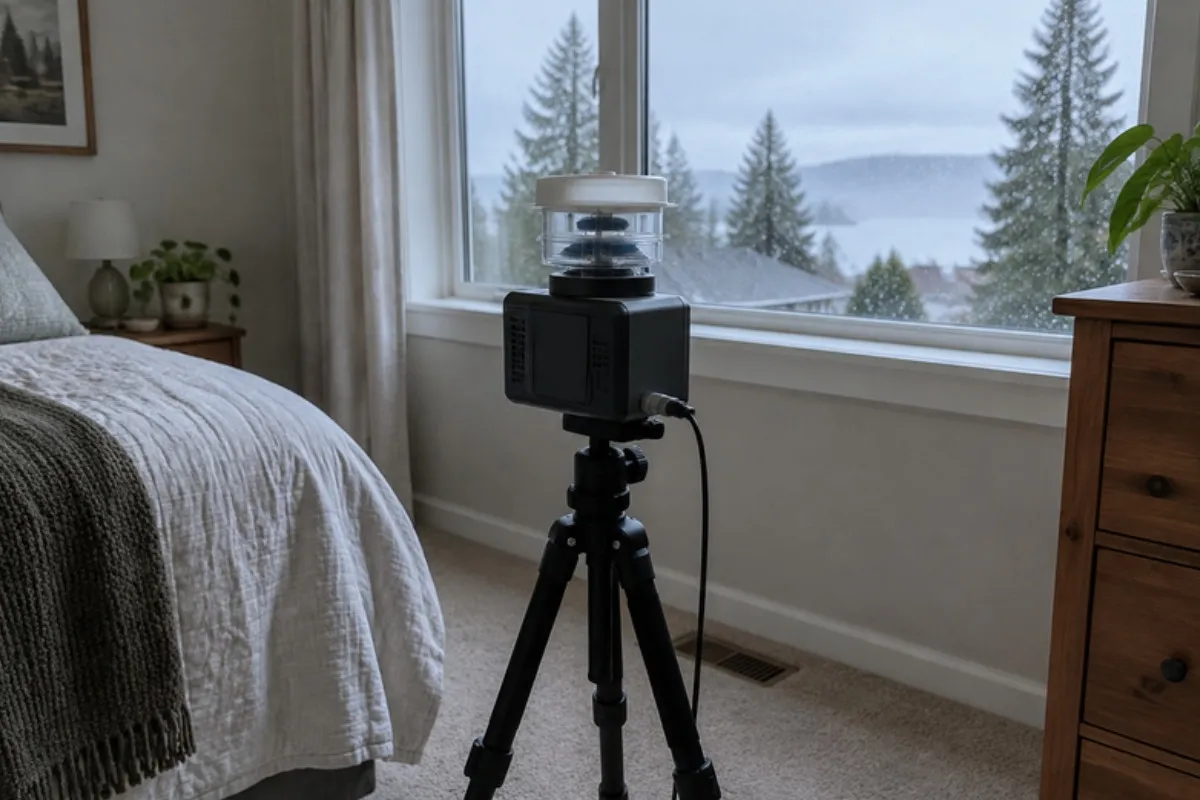
Start with the question, not the sample
A lab result is only useful if it answers something you actually need to know. Before you book anyone, write down why you want the test. Common Seattle reasons include a stale odor in a closed-up guest room every winter, a daylight basement that smells damp after weeks of rain, a home inspection that flagged staining in the crawl space, or a rental unit where the tenant and landlord disagree about what is going on.
There are no EPA or federal limits for mold or mold spores, and the Washington Department of Health points out that even a clean, dry house has some spores in it. So a test will almost never return a simple pass or fail. What it can do is compare indoor air to outdoor air, show whether a hidden area is contributing spores, or confirm that a cleaned area is free of growth.
Testing is worth it when
- You smell mold but a visual inspection with a moisture meter finds nothing obvious.
- You are buying or selling and want a written record of conditions.
- You need documentation for a landlord, a property manager or an insurance claim.
- Remediation is finished and you want clearance before walls go back up.
Testing is usually a waste when
- You can already see growth on drywall, window frames or attic sheathing.
- You are using a store-bought settle plate, which grows something in nearly every house.
- The person taking the samples is also quoting the removal and has not explained what each sample is meant to show.
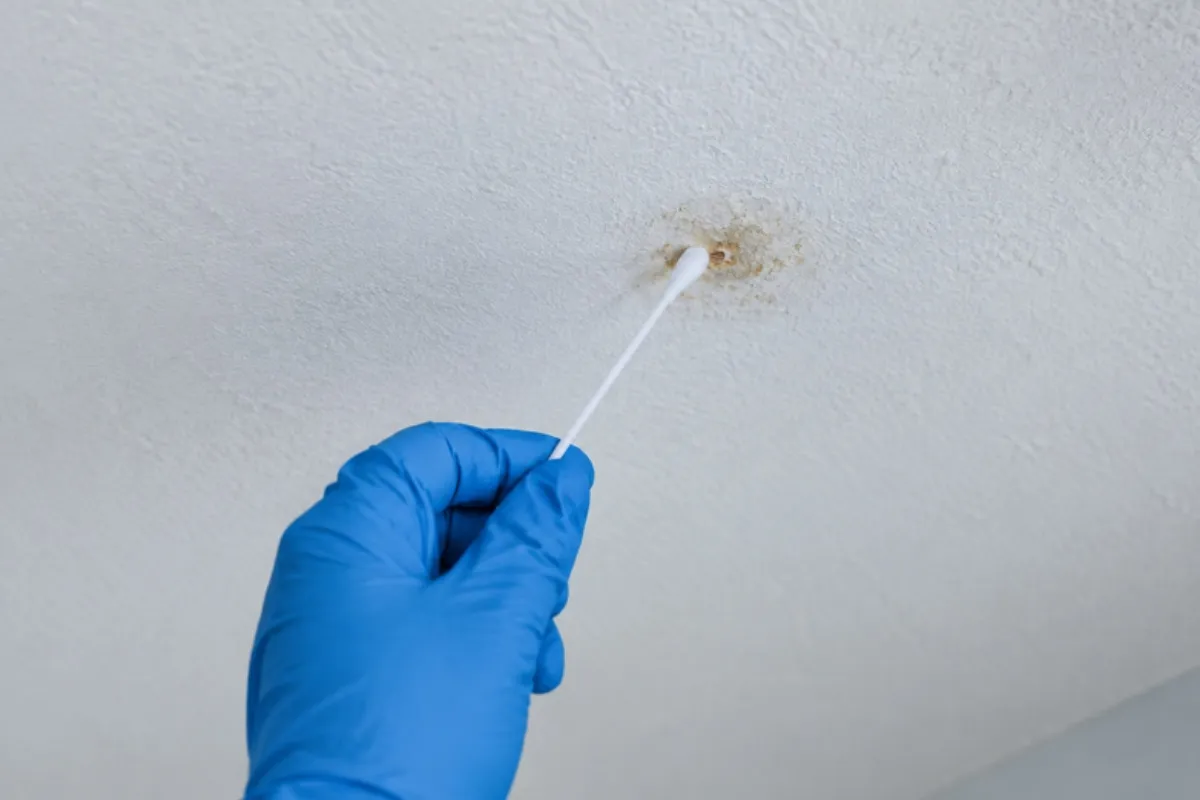
Sample types and national price ranges
| Test | What it shows | National range |
|---|---|---|
| Air sample | Spore types and counts indoors compared with an outdoor baseline | $250-$350 basic, up to $700 extensive (Angi, 2026) |
| Surface or swab sample | Whether a stain or residue is mold growth | $200-$300 (Angi, 2026); $50-$200 (HomeGuide, 2026) |
| Bulk sample | Growth inside a piece of drywall, carpet or insulation | $100-$350 (HomeGuide, 2026) |
These are national figures. Prices around Puget Sound vary with the number of samples, home size, crawl space or attic access, and how fast you need lab results. Ask for the price per sample and the lab fee in writing.
What a good report gives you
Expect the inspector to note where each sample was taken, include an outdoor control sample for air tests, list moisture readings, and explain the results in plain language with a recommendation. A report that only lists spore counts with no moisture findings leaves you without a next step.
Picking who tests
Washington has no state mold license or certification, according to the Department of Health, so anyone can offer testing. Voluntary credentials exist, and DOH points people who need an indoor air consultant to industrial hygiene firms. Angi recommends using a different company for testing than for removal, so the person interpreting results has nothing to sell you afterward.
Mold Testing questions from Seattle homeowners
Can a mold test tell me if my Seattle home is safe?
Should I test before cleaning up mold I can see?
Are home mold test kits reliable?
Does the tester need a Washington mold license?
Related mold services in Seattle
Helpful guides
Mold Testing in nearby cities and towns
King County
Snohomish County
Pierce County
Kitsap County
Island County
Mason County
Jefferson County
Sources
- EPA: Mold Information Slideshow (testing and sampling)
- EPA: A Brief Guide to Mold, Moisture and Your Home
- Washington State Department of Health: Mold
- Washington State Department of Health: Hiring a Contractor (indoor air)
- Angi: How Much Does a Mold Inspection Cost? (2026 data)
- HomeGuide: Mold Inspection Cost (2026)
- Angi: How to Hire a Mold Remediation Company
Last updated: