Most mildew in Seattle homes is surface growth fed by condensation and slow drying during the wet months, and small patches can usually be cleaned by the homeowner. When growth covers more than about 10 square feet, keeps coming back after cleaning, or shows up on drywall that feels soft, it is time for a professional. Call the number on this page to be connected with a local mold remediation company in Seattle.
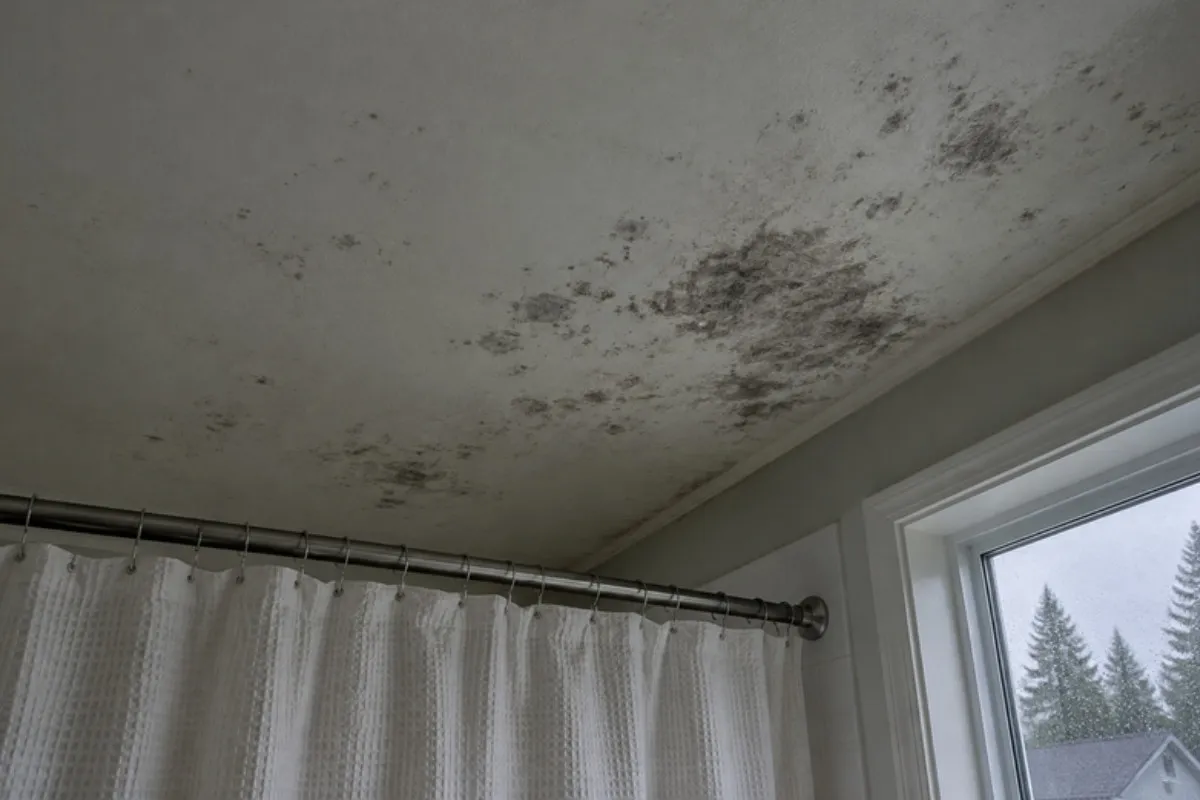
Mildew or mold?
Mildew is the everyday word for mold growing flat on a surface: powdery or speckled, gray, black or white, on grout, caulk, window frames, painted walls and shower curtains. It is still mold. The practical difference is depth. Surface growth on a hard, sealed surface usually wipes off. Growth that has stained into drywall, rotted wood trim or spread into carpet backing has gone beyond cleanup.
Why it keeps coming back here
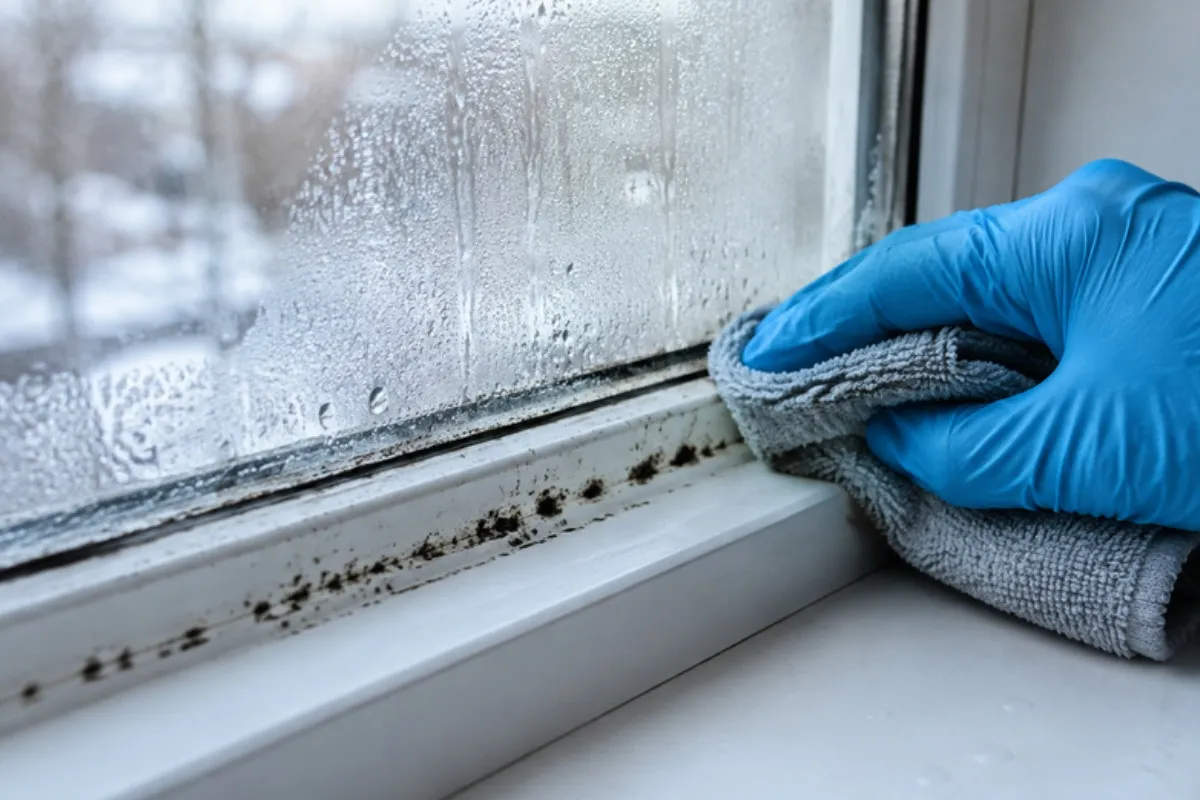
From roughly October to April, Seattle stays damp and gray, and a lot of homes heat with baseboard or forced air with the windows shut. Warm, moist indoor air meets cold glass and cold exterior walls, water condenses, and nothing dries for weeks. Showers without a working fan, clothes drying indoors, and furniture pushed tight against outside walls all add to it. EPA recommends keeping indoor humidity below 60 percent, ideally 30 to 50 percent.
DIY or hire it out?
| What you see | Usually reasonable to clean yourself | Worth calling a professional |
|---|---|---|
| Specks on grout, caulk or tile | Yes, with detergent and water; replace stained caulk | If it returns within weeks despite a running fan |
| Growth on window frames and sills | Yes, if the wood is sound | If the sill or wall below is soft or stained through |
| Patch on a painted wall or ceiling | Under about 10 sq ft and dry behind | Over 10 sq ft, or the drywall feels damp |
| Musty closet or back bedroom | Clean surfaces, improve air flow | If the smell stays after cleaning |
The 10 square foot line comes from EPA and Washington DOH. Wear gloves and eye protection, and don't paint over mildew; EPA says paint applied over mold tends to peel.
What a professional cleanup includes
Expect the company to look for the moisture source before quoting: a failed bath fan, a leaking window, a cold wall with no insulation. Good cleanup includes containing the area, HEPA vacuuming, cutting out porous material that can't be cleaned, and advice on ventilation so the problem doesn't simply return next winter. Confirm the company is registered with Washington L&I as a construction contractor on L&I's Verify tool, since the state has no mold-specific license.
Renting in Seattle?
Washington DOH asks tenants to run heat and ventilation to limit condensation and to tell the landlord in writing about leaks or moisture buildup. Landlords must fix building problems such as leaks or broken fans and give tenants DOH-approved mold information. This is general information, not legal advice.
Cost
Angi's Seattle cost guide lists bathroom mold remediation at $425 to $825. Larger or recurring problems cost more, mainly because of material removal and repairs.
Mold & Mildew Cleanup questions from Seattle homeowners
What should I use to clean mildew off a window frame?
Why does mildew come back in my Seattle bathroom every winter?
Is mildew on drywall something I can clean?
Do I need mold testing for mildew?
Related mold services in Seattle
Helpful guides
Mold & Mildew Cleanup in nearby cities and towns
King County
Snohomish County
Pierce County
Kitsap County
Island County
Mason County
Jefferson County
Sources
Last updated: