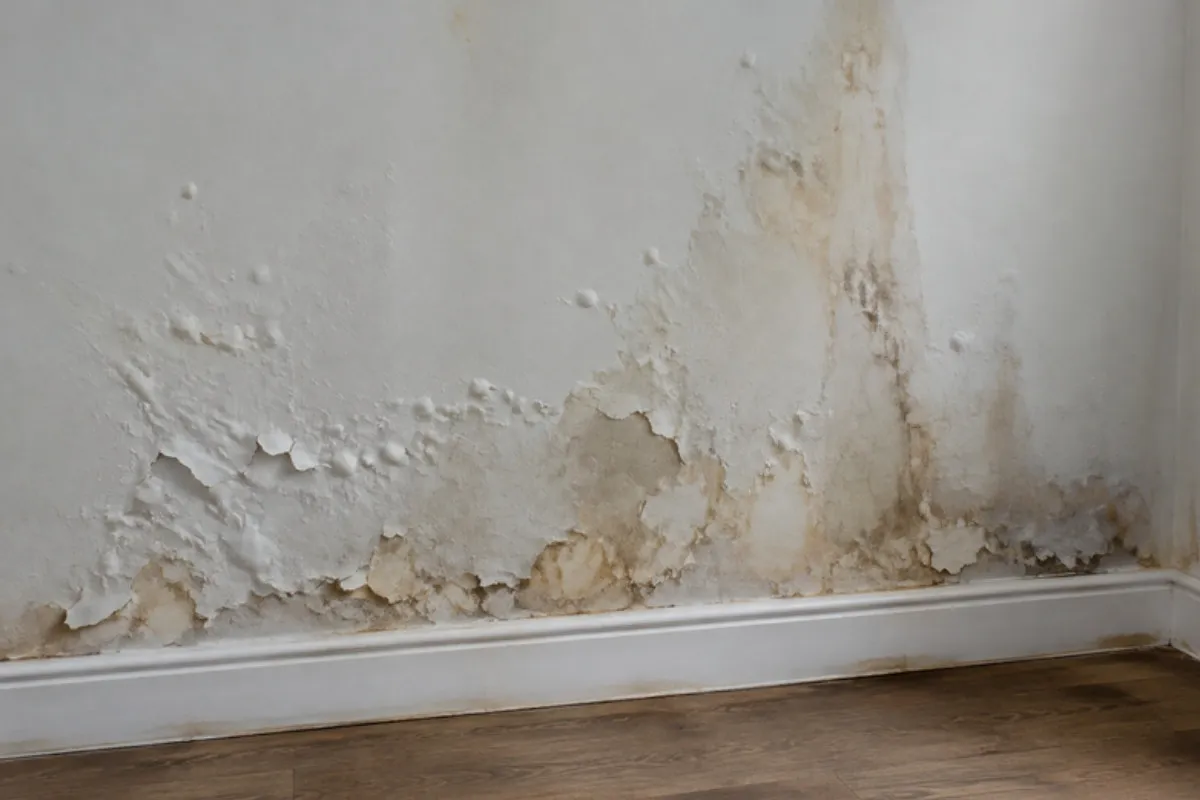
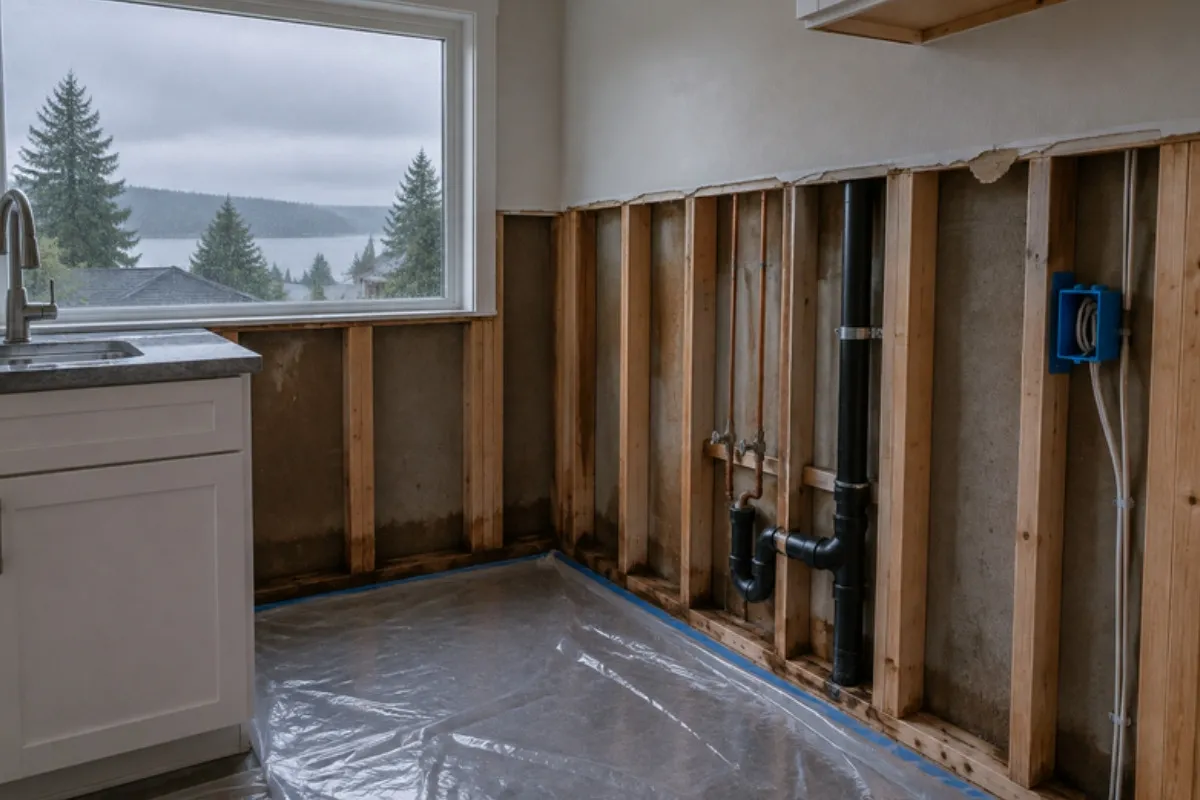
Mold in Lakewood walls usually grows where water has been sitting inside the cavity, from a leaking pipe, rain getting past trim and siding, condensation on cold outside walls, or rising water in low areas near Clover Creek. Fixing it means finding that water, cutting out what can't be cleaned and drying the framing before anything is closed up. Call the number on this page to be connected with a local mold remediation company in Lakewood.
Local conditions in Lakewood
Lakewood has more open water inside its limits than most South Sound cities: American Lake, Lake Steilacoom, Gravelly Lake, Lake Louise and Waughop Lake, with Chambers Creek running out of Lake Steilacoom. The city also says newer flood maps show a 1% annual-chance flood risk along Clover Creek in the Springbrook and Hillside neighborhoods, with some areas once shown in the 500-year floodplain now in the 100-year floodplain. If water ever reached the bottom of your walls there, the lower couple of feet of drywall and insulation deserve a close look even if the paint looks fine.
Away from the creek, most wall mold here comes from ordinary sources: a slow drip under a kitchen sink, a cracked shower surround, or winter condensation on bedroom walls behind dressers. Homes near the lakes can also see damp air settle into closets and storage rooms on the shore side. The Tacoma-Pierce County Health Department's guidance is simple: molds grow where there is too much water, so stop leaks and repair roofs and plumbing first.
Surface cleaning vs. cutting the wall open
| Situation | Surface cleaning may be enough | Opening the wall is likely |
|---|---|---|
| Spots on paint near a window each winter | Yes, if the drywall is firm and dry | If spots return or drywall feels soft |
| Leak under a sink or behind a tub | Rarely | Yes, to dry and check the cavity |
| Water came in from outside along the floor | No | Yes, wet drywall and insulation usually come out |
| Area larger than about 10 square feet | No | Yes, EPA suggests professional help |
Signs to watch for
- A musty smell that is strongest near one wall or inside one closet.
- Paint that blisters, or tape seams that lift.
- Baseboards that swell, separate or darken.
- Drywall that feels cool, damp or spongy when pressed.
Timing and seasonal notes
Most wall problems show up between October and April, when rain and condensation peak and closed rooms dry slowly. Fall is a good time to clear gutters, check window caulk and run bath fans longer. If water got into walls, EPA advises drying wet materials within 24 to 48 hours. Renters can contact the city's Rental Housing Safety Program in Planning and Public Works; rebuilding permits go through the Lakewood Permit Center.
Mold in Walls & Drywall questions in Lakewood
How do companies find mold in a wall without tearing it all out?
What should I do if storm or tide water got into my walls?
I rent and there is mold on my walls. What can I do?
How much does it cost to remove mold from walls?
More mold services in Lakewood
Mold in Walls & Drywall nearby
Sources
- Wikipedia: Lakewood, Washington
- City of Lakewood: Clover Creek Floodplain
- City of Lakewood: Planning and Public Works
- EPA: Mold Cleanup in Your Home
- Angi: How Much Does Mold Remediation Cost in Seattle, WA?
- HomeGuide: How Much Does Mold Removal and Remediation Cost? (2026)
- RCW 59.18.060: Landlord, Duties
- RCW 59.18.070: Landlord's failure to remedy, Tenant's remedies, Notice
- Washington DOH: Renters, Landlords, and Mold
Last updated: