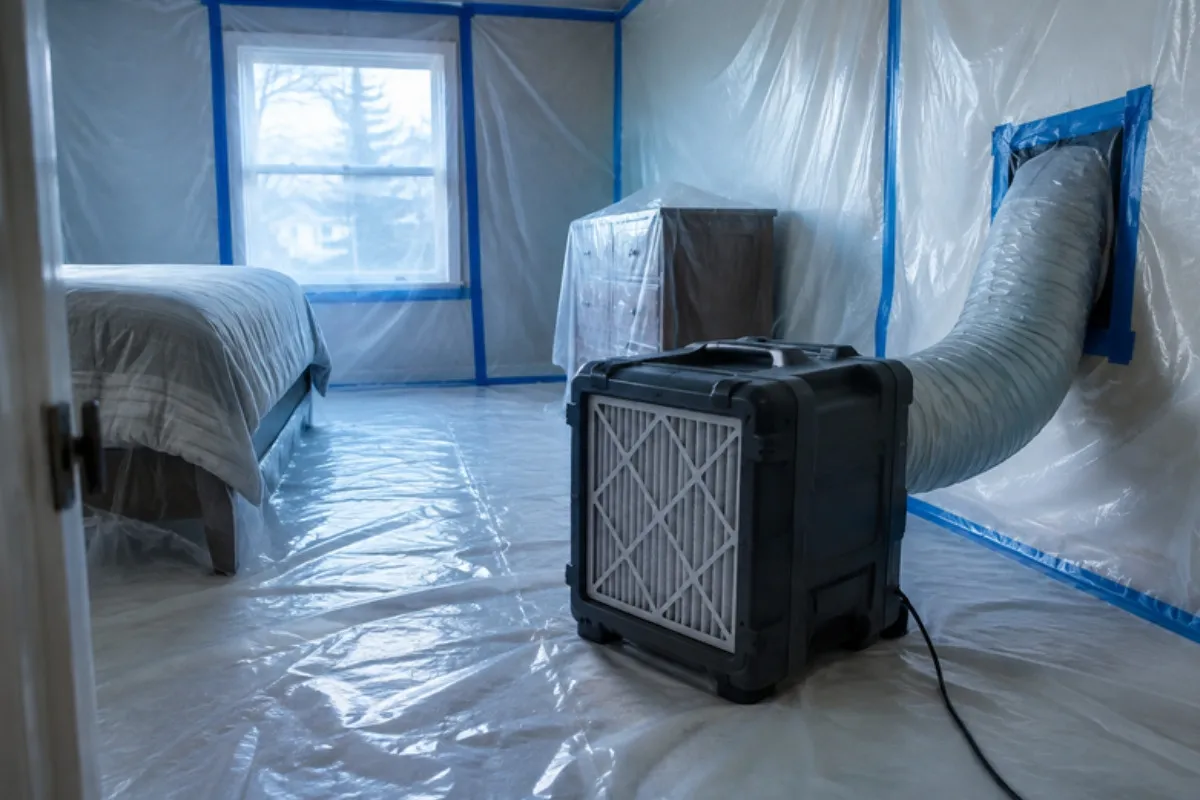
Lakewood mold remediation starts with the moisture source, which near Clover Creek, Chambers Creek and the city's lakes is often groundwater or a slow leak rather than one big flood. A sound job removes what can't be saved, cleans what can, and dries the structure before it is closed up. Call the number on this page to be connected with a local mold remediation company in Lakewood.
Where moisture comes from in Lakewood homes
Lakewood is a city of lakes and creeks. American Lake, Lake Steilacoom, Gravelly Lake, Lake Louise and Waughop Lake all sit inside city limits, Chambers Creek runs from Lake Steilacoom toward Chambers Bay, and Clover Creek has a mapped 100-year floodplain. The city says newer flood maps show a 1% annual-chance flood risk along Clover Creek in the Springbrook and Hillside neighborhoods, and some areas once shown in the 500-year floodplain now fall in the 100-year zone. Houses near those creeks and shorelines can sit on damp ground through the rainy months even without a flood. The Tacoma-Pierce County Health Department's guidance makes the same point: mold grows where there is too much water, so stop leaks, repair roofs and plumbing, and move water away from basement walls and slabs.
Clean it or cut it out?
| Material | Usual approach | Why |
|---|---|---|
| Framing, concrete, metal, glass | Clean and dry in place | Hard or dense surfaces can be scrubbed, HEPA-vacuumed and dried |
| Drywall with light spotting from a leak caught early | Sometimes cleaned, often cut out | The paper facing holds water, and growth on the back side is common |
| Wet insulation | Remove and replace | It can't be cleaned and keeps water against the framing |
| Carpet, pad, ceiling tile | Usually discarded | EPA says moldy porous materials may have to be thrown away |
Signs worth a call
- A musty smell that returns every fall once the rain settles in.
- Stained or soft drywall near a bathroom, laundry or exterior wall.
- Water marks or a damp feel in the crawl space or along a lower wall.
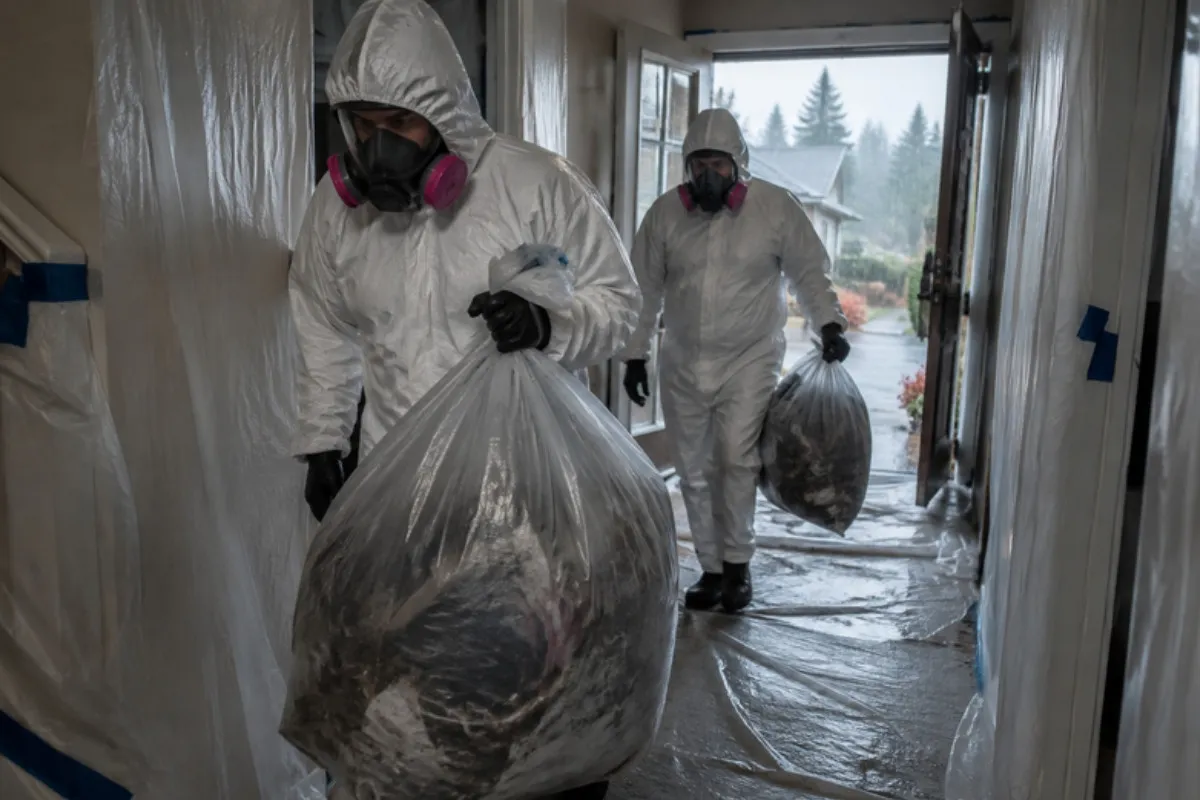
- Growth larger than about 10 square feet, the point where EPA and DOH suggest a professional.
- Spots that return after you have already cleaned them.
Timing and the wet season
Most moisture trouble here builds between October and April, when steady rain and short days keep materials from drying. Late summer, when crawl spaces are at their driest, is a good time to deal with a recurring problem before the next rainy stretch. After any leak, dry wet materials within 24 to 48 hours. Repairs involving new drywall or framing go through the city's Permit Center in Planning and Public Works.
Mold Removal & Remediation questions in Lakewood
What can renters do about mold from an unrepaired leak?
What should I do right after a leak or flood?
Can a wet crawl space cause mold in the rest of the house?
Can I stay in the house while the work is done?
More mold services in Lakewood
Mold Removal & Remediation nearby
Sources
- Wikipedia: Lakewood, Washington
- City of Lakewood: Clover Creek Floodplain
- City of Lakewood: Planning and Public Works
- Tacoma-Pierce County Health Department: Mold FAQs
- EPA: Mold Cleanup in Your Home
- EPA: A Brief Guide to Mold, Moisture and Your Home
- Washington DOH: Mold
- RCW 59.18.060: Landlord, Duties
- RCW 59.18.070: Landlord's failure to remedy, Tenant's remedies, Notice
Last updated: