A mold inspection in Puyallup traces growth back to its moisture source and measures how far the damage goes, using meters and a careful walk-through rather than guesswork. It is most useful after water gets in, or when a musty odor hangs on with nothing visible. Call the number on this page to be connected with a local mold inspector in Puyallup.
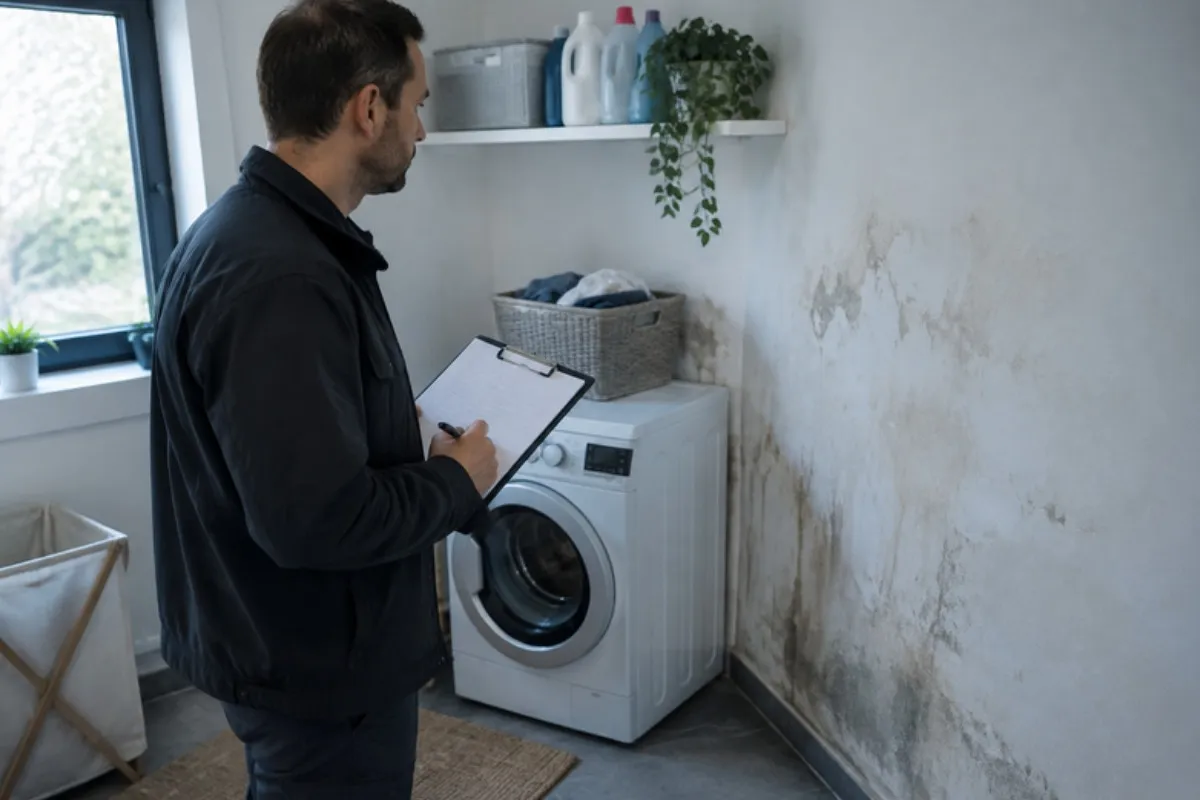
Puyallup sits on the Puyallup River in a farm valley known for berries and daffodils, with neighborhoods climbing onto South Hill. Clarks Creek has a record of repeated flooding; it preceded the demolition of the former House of Tomorrow site. Valley-floor homes can see high groundwater in a long wet season, while hillside homes deal more with runoff and attic condensation. Finished basements, patched plumbing and years of small leaks can also hide growth behind walls. A good inspection separates a one-time stain from a moisture problem that keeps feeding mold.
What to do now
- Find and stop any active leak you can reach, such as a dripping supply line or an overflowing gutter.
- Dry what you can. EPA says water-damaged areas should be dried within 24 to 48 hours to prevent growth.
- Take dated photos of stains, warped flooring and any growth.
- Don't paint or caulk over suspect areas; EPA advises against covering mold.
- Keep people with asthma or weakened immune systems away from the affected area.
- Book an inspection if the source is unclear or the area looks bigger than about 10 square feet.
What you see and what it may mean
| What you see | Likely cause |
|---|---|
| Musty smell from floor registers or the hallway | Damp crawl space or wet insulation |
| Dark spotting on ceiling corners of an upstairs room | Attic condensation or a roof leak |
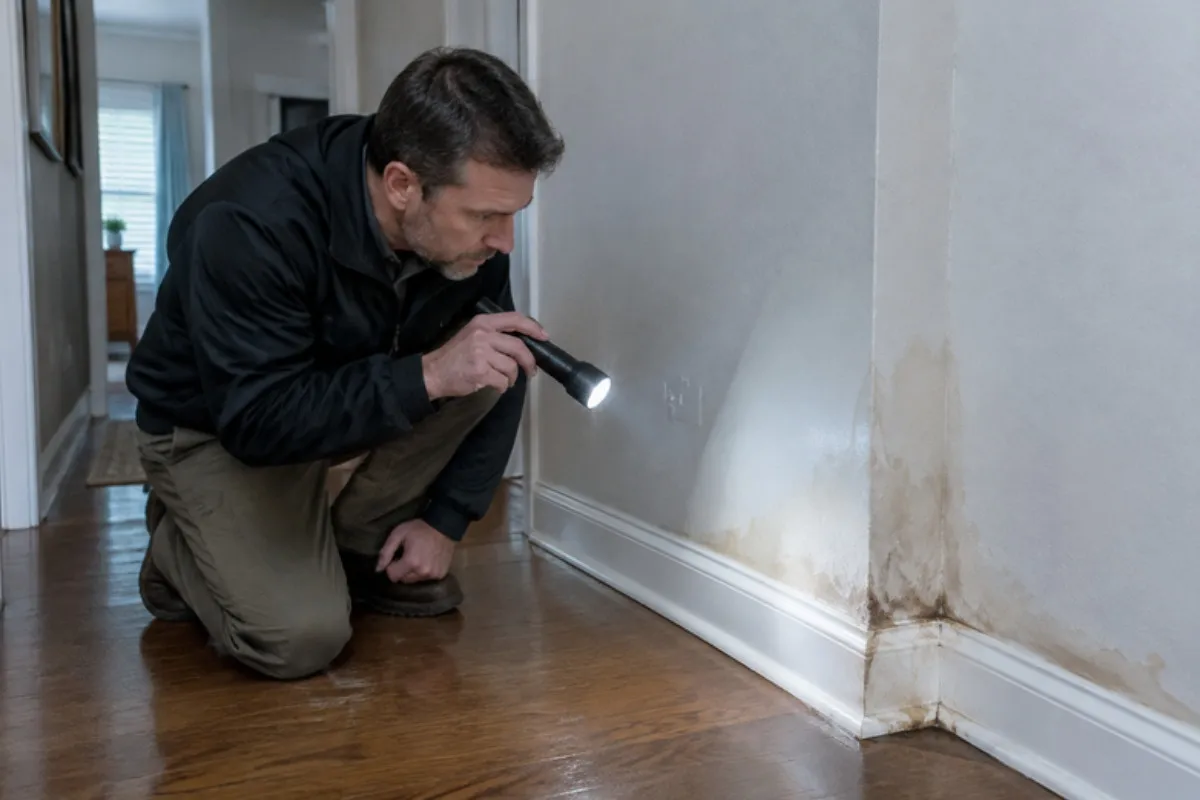
| Swelling baseboard near a bathroom or laundry | Slow plumbing leak inside the wall |
| Water on window sills each cold morning | Indoor humidity condensing on glass |
| Tide line on lower drywall after a storm | Surface water or groundwater intrusion |
What affects the cost
National ranges give a starting point: Angi's 2026 data lists mold inspections at about $303 to $1,044, and HomeGuide's 2026 figures run about $300 to $650. Puyallup quotes depend on home size, crawl space and attic access, whether samples are taken, and how detailed a report you need. Repairs afterward, such as replacing drywall or framing, go through the City of Puyallup's Building Services. For a property maintenance complaint, the city's Code Compliance Division opens a case only after a written complaint, so put it on paper.
Mold Inspection questions in Puyallup
How soon after high water should a home be inspected?
I rent. What should I do before calling an inspector?
Are store-bought mold test kits worth using?
What should the written inspection report include?
More mold services in Puyallup
Mold Inspection nearby
Sources
- Puyallup, Washington (Wikipedia)
- City of Puyallup: Permit Support Services
- City of Puyallup: Code Compliance
- EPA: Mold Cleanup in Your Home
- EPA: A Brief Guide to Mold, Moisture and Your Home
- EPA: Homeowner's and Renter's Guide to Mold Cleanup After Disasters (pdf)
- Angi: How Much Does a Mold Inspection Cost? (2026 data)
- HomeGuide: How Much Does a Mold Inspection Cost? (2026)
- RCW 59.18.060: Landlord, Duties
- RCW 59.18.070: Landlord's failure to remedy, Tenant's remedies, Notice
Last updated: