A mold inspection in Sumner looks for growth, takes moisture readings and follows the trail back to the leak, seepage or condensation causing it. It is worth it after storms, before buying, or when a smell lingers with no visible source. Call the number on this page to be connected with a local mold inspector in Sumner.
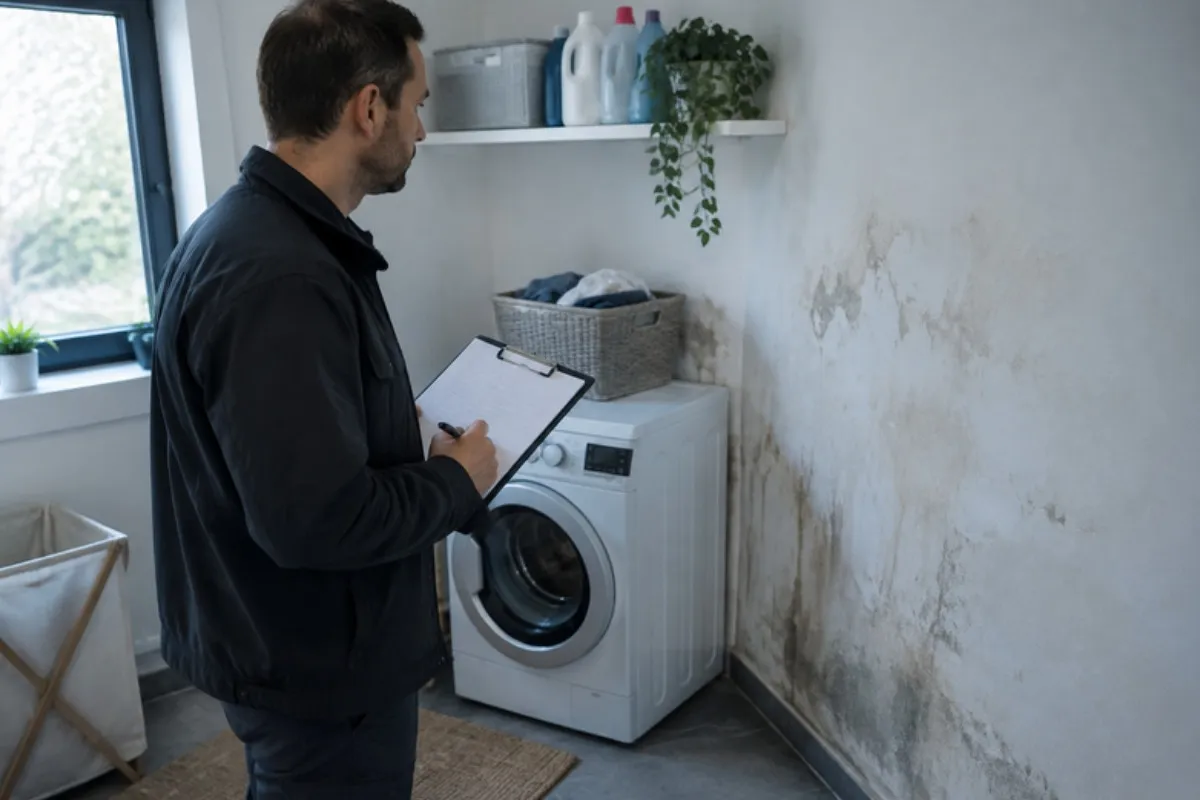
Sumner's moisture picture
Sumner, the small city with a Sounder commuter rail station downtown, builds to the 2017 FEMA flood map, which the city lists as its flood hazard criterion for building permits. The same design criteria rate decay risk as slight to moderate and weathering as moderate, a reminder that wood framing here stays damp for long stretches. During the December 2025 atmospheric river flooding, the city said that to its knowledge no one in Sumner was displaced, while nearby neighbors kept seeing impacts, and Pierce County asked residents and businesses, including those in Sumner, to submit damage reports. Even homes that stayed dry can collect seepage in crawl spaces or garages during a stretch like that. Day-to-day causes matter just as much: a downspout that empties against the foundation, a bathroom without a working fan, or a crawl space vapor barrier that has slipped out of place. An inspector's job is to sort out which of these is actually feeding the growth in your house.
Looking yourself vs hiring an inspector
| Your own walk-through | Professional inspection | |
|---|---|---|
| Visible spots in a bathroom | Often enough | Usually not needed |
| Odor with no visible growth | Hard to trace | Meters and thermal imaging help |
| Crawl space and attic | Uncomfortable, easy to miss things | Checked systematically |
| Written findings for a sale or landlord | No | Yes, with photos and readings |
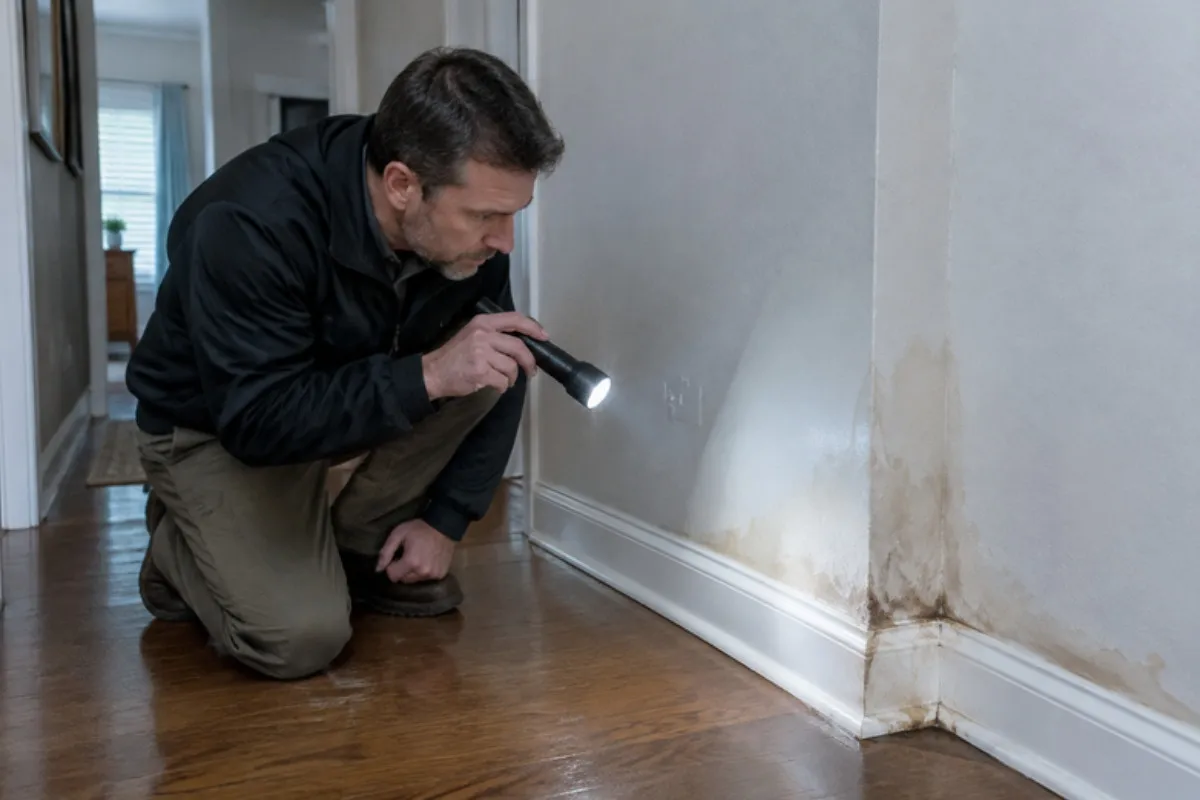
Signs to watch for
- A tide line or soft drywall at the base of garage or lower-level walls.
- Warped laminate or lifting vinyl near exterior doors.
- A sour smell when the furnace kicks on.
- Recurring black spotting on window frames in winter.
Timing and seasonal notes
If water got in, schedule soon after it is gone; EPA says that if a home can't be dried within 24 to 48 hours, assume mold growth. Otherwise, late winter is a good time to inspect because leaks and condensation are easy to see, and the dry summer that follows is the easiest season to make repairs and let wood dry out before the rain returns. Ask for a written report so any contractor bidding on the fix works from the same findings. Repairs such as new drywall go through the City of Sumner Permit Center. The city's online code complaint form routes concerns to the right department, though it doesn't mention rentals or mold, so renters should start with written notice to the landlord.
Mold Inspection questions in Sumner
How soon after high water should a home be inspected?
Is a mold inspection worth it before buying a house?
Can an inspector tell how risky a mold is from its color?
Do I need a permit for the repairs an inspector recommends?
More mold services in Sumner
Mold Inspection nearby
Sources
- City of Sumner: Climatic and Geographic Design Criteria
- City of Sumner: December 2025 flooding update
- City of Sumner: Permits
- City of Sumner: Code Violations
- EPA: Homeowner's and Renter's Guide to Mold Cleanup After Disasters (pdf)
- EPA: Mold Information Slideshow (testing and sampling)
- Washington DOH: Mold
Last updated: