Carnation basements face seasonal river flooding from the Tolt and Snoqualmie, plus soil that stays wet for months on the valley floor. After water gets in, wet carpet, drywall and insulation usually come out, framing and concrete are cleaned and dried, and rebuilding waits until readings are normal. Call the number on this page to be connected with a local mold remediation company in Carnation.
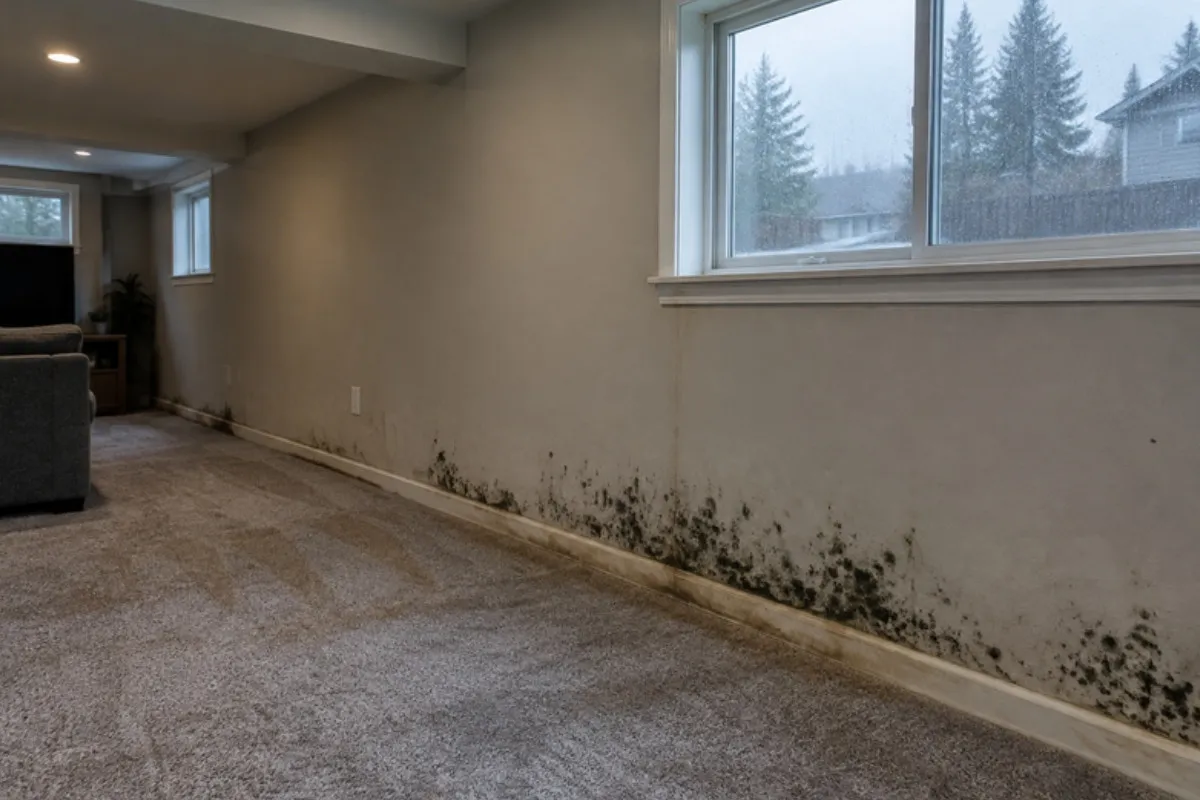
Living with two rivers in Carnation
Carnation is a small Snoqualmie Valley city about 20 miles east of Seattle, built where the Tolt River meets the Snoqualmie. The city says both rivers flood seasonally, with winter rain floods and spring floods when snowmelt joins the rain, and FEMA maps show the floodway and the 100- and 500-year floodplains. In January 2009 a flood breached a Tolt River levee in the lower basin, and King County later bought out at-risk homes along SR 202. In December 2025 the lower Snoqualmie hit its flood of record at the Carnation gage, and SR 203 closed between the Fall City roundabout and NE Tolt Hill Road.
A basement or lower level that held floodwater needs to come apart quickly. EPA says that if a flooded home couldn't be dried within 24 to 48 hours, assume mold is growing. Even in a dry year, valley-floor soil stays saturated for months, and cold below-grade walls collect condensation all winter.
After a flood: clean, dry or remove?
| Material | Typical approach after floodwater |
|---|---|
| Carpet and pad | Removed and discarded; EPA says porous materials may have to be thrown out |
| Drywall and insulation | Cut out above the water line so the wall cavity can dry |
| Studs and sill plates | Cleaned, dried and checked with a moisture meter |
| Concrete walls and floor | Cleaned, dried and checked for cracks letting water in |
| Furnace and ducts downstairs | Inspected before use; EPA says not to run a system you suspect is contaminated |
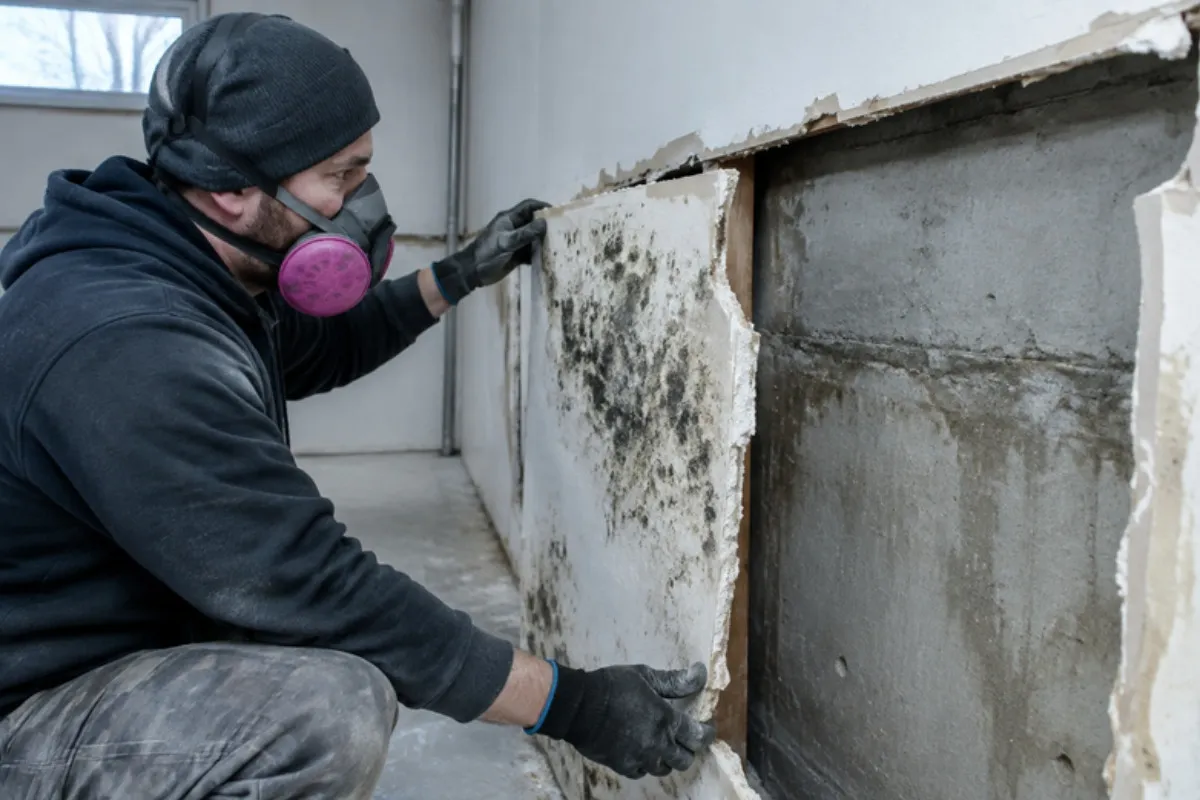
Signs of mold after the water is gone
- A sour smell that comes back every time the basement is closed up
- Spotting at the base of walls along the old water line
- Warped paneling or trim, or flooring that stays soft underfoot
- Stored items growing fuzz weeks after the flood
Timing and seasonal notes
Flood season in Carnation runs through winter and into spring, so a lower level may get wet more than once before summer. Dry and clean promptly after each event instead of waiting for the season to end, and save rebuilding for when moisture readings are back to normal. Standard homeowner's policies don't cover flood damage; the city's Community Rating System class earns a discount on National Flood Insurance Program policies in the Special Flood Hazard Area. Rebuilding walls or replacing systems may need a permit, applied for through the city's Online Permit Center.
Basement Mold Removal questions in Carnation
Will homeowners insurance pay for basement mold?
Do I need a permit to rebuild after basement mold removal?
Will the mold come back after it's removed?
How long does basement mold remediation take?
More mold services in Carnation
Basement Mold Removal nearby
Helpful guides
Sources
- Wikipedia: Carnation, Washington
- City of Carnation: Flooding Information
- King County: Flooding in the Snoqualmie and South Fork Skykomish watershed
- Snoqualmie-Skykomish December 2025 Flood Overview (pdf)
- City of Carnation: Planning & Permits
- EPA: Homeowner's and Renter's Guide to Mold Cleanup After Disasters (pdf)
- EPA: Mold Cleanup in Your Home
Last updated: