In Snoqualmie, basement mold often follows high water: most of downtown sits in the Snoqualmie River floodplain, and the city's repetitive-loss areas are built mostly on basements and crawl spaces. Cleanup means pulling soaked finishes, cleaning and disinfecting what remains and drying the space fully before rebuilding. Call the number on this page to be connected with a local mold remediation company in Snoqualmie.
How bad has flooding been here?
The city calls the November 1990 Snoqualmie River flood the worst in its known history, and January 2009 brought another major flood. In December 2025, provisional King County data show the river near Snoqualmie peaking around 70,000 cubic feet per second, just under the 1990 mark. A city analysis counts 373 properties in four repetitive-loss areas, where floodwater collects on the flat valley floor and Kimball Creek backs up when the river runs high. In those areas basements and crawl spaces are the common foundations and slabs are rare, so a lot of water ends up below the living space.
The water is gone. What has to come out of the basement?
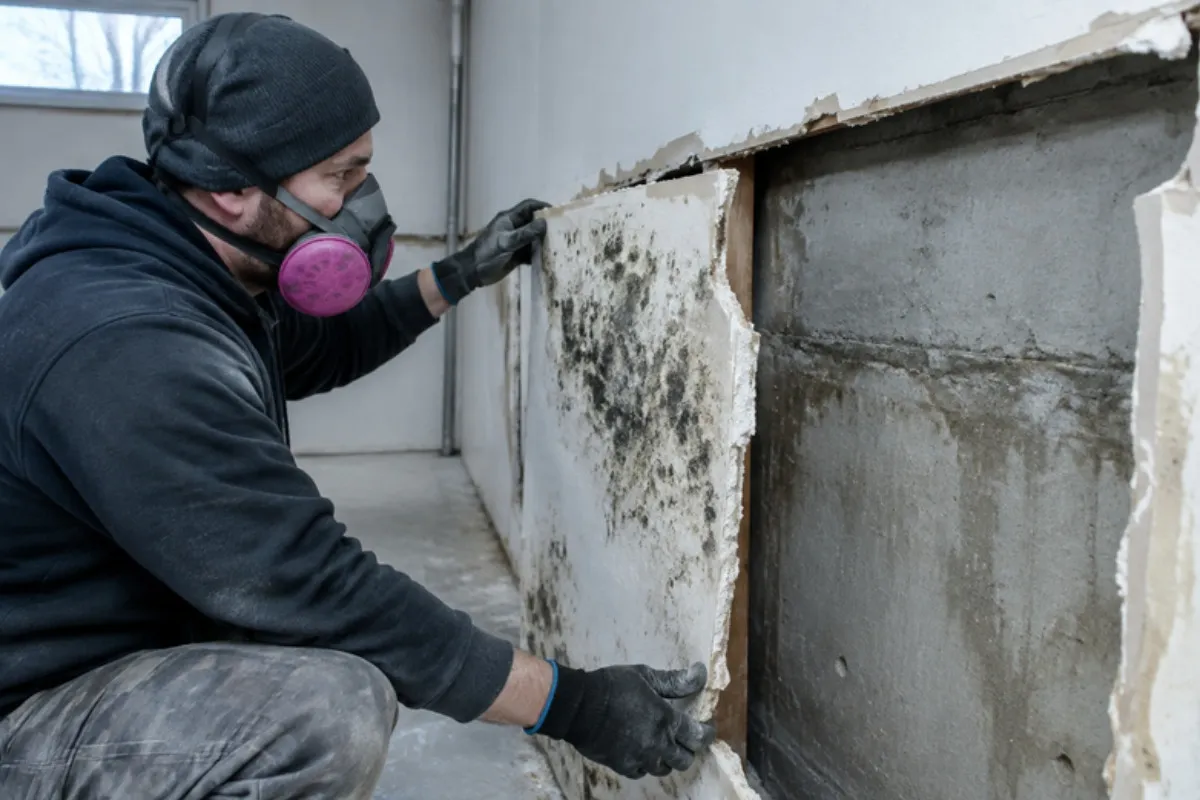
EPA's post-disaster guide says to assume mold is growing if a flooded home could not be dried within 24 to 48 hours. Carpet and pad, drywall up past the waterline, wet insulation and cardboard usually go. The city warns that flood mud can carry sewage and chemicals and tells residents to clean and disinfect everything that got wet; Washington DOH suggests a professional when mold is mixed with sewage. Concrete and solid framing can often be cleaned and dried rather than replaced. Wear at least an N-95 respirator and keep children out of the cleanup.
Our house is fairly new. Are we in the clear?
The median Snoqualmie home was built around 2006, but a newer house still gets wet if floodwater reaches it or if a finished lower level sits against damp soil. New construction also tends to have more drywall, carpet and insulation downstairs, all of which hold water. The city says standard homeowner's policies do not cover flood damage and that elevating homes has been the most common way houses here are protected. Any rebuild, elevation or structural repair runs through the City of Snoqualmie Building Division on SE River Street.
One local note
Do not close walls back up on a guess. Ask the company for moisture readings showing the framing and concrete are dry, and keep copies of those readings with your flood photos. Contractors doing the rebuild must be registered with Washington L&I, which you can check on the state's Verify a Contractor tool before signing anything.
Basement Mold Removal questions in Snoqualmie
Floodwater came into my basement. What now?
Will homeowners insurance pay for basement mold?
What should I do with things stored in the basement?
Does finished basement drywall always have to come out?
More mold services in Snoqualmie
Basement Mold Removal nearby
Helpful guides
Sources
- City of Snoqualmie: 2023-2024 Flood Report
- City of Snoqualmie: Draft 2024 Repetitive Loss Area Analysis
- King County: Snoqualmie-Skykomish December 2025 flood overview (pdf)
- City-Data: Snoqualmie housing
- City of Snoqualmie: Building
- EPA: Homeowner's and Renter's Guide to Mold Cleanup After Disasters (pdf)
- Washington State Department of Health: Mold
- EPA: Mold Cleanup in Your Home
- Washington L&I: Verify a Contractor
Last updated: