In Pacific, mildew is often the aftermath of White River flooding: water that soaked walls, floors and belongings and couldn't dry fast enough. Hard surfaces with light growth can be cleaned, but soaked drywall, insulation and carpet usually have to come out, and the city requires permits for repairs to flood-damaged property. Call the number on this page to be connected with a local mold remediation company in Pacific.
About Pacific
Pacific is a small riverside city between Auburn and Sumner, about 25 miles south of Seattle, mostly in King County with a small portion in Pierce. The lower White River, also called the Stuck River, runs along its east side, and the city has a long flood history. In November 2006 record rains pushed the river over its banks along Pacific City Park, forming a temporary 25-acre lake. On January 8, 2009, water releases from Mud Mountain Dam caused rapid flooding with almost no notice. Early on Dec. 16, 2025, a White River levee breached and flooded a large part of the city; a Level 3 "Go Now" evacuation was ordered, more than 200 homes were affected and over 600 people were displaced.
What to do now
- Make sure it is safe to go back in, then start drying right away with heat, fans and open doors.
- Remove soaked carpet, pad and insulation. EPA says porous items that stayed wet may need to be thrown out.
- Wear at least an N-95 respirator, gloves and eye protection, and keep children out of the cleanup.
- Clean hard surfaces with detergent and water and dry them completely.
- Assume mold is growing where things couldn't be dried within 24 to 48 hours, as EPA advises.
- Photograph everything for insurance; homeowners insurance doesn't cover floods.
- Check with the city before rebuilding. Repairs to flood-damaged property need building permits and/or floodplain development approvals.
Signs and what they usually mean
| Sign | Usual cause |
|---|---|
| Spots climbing walls from the floor | Floodwater wicked into drywall |
| Musty odor weeks after the water left | Wet insulation or framing behind finished walls |
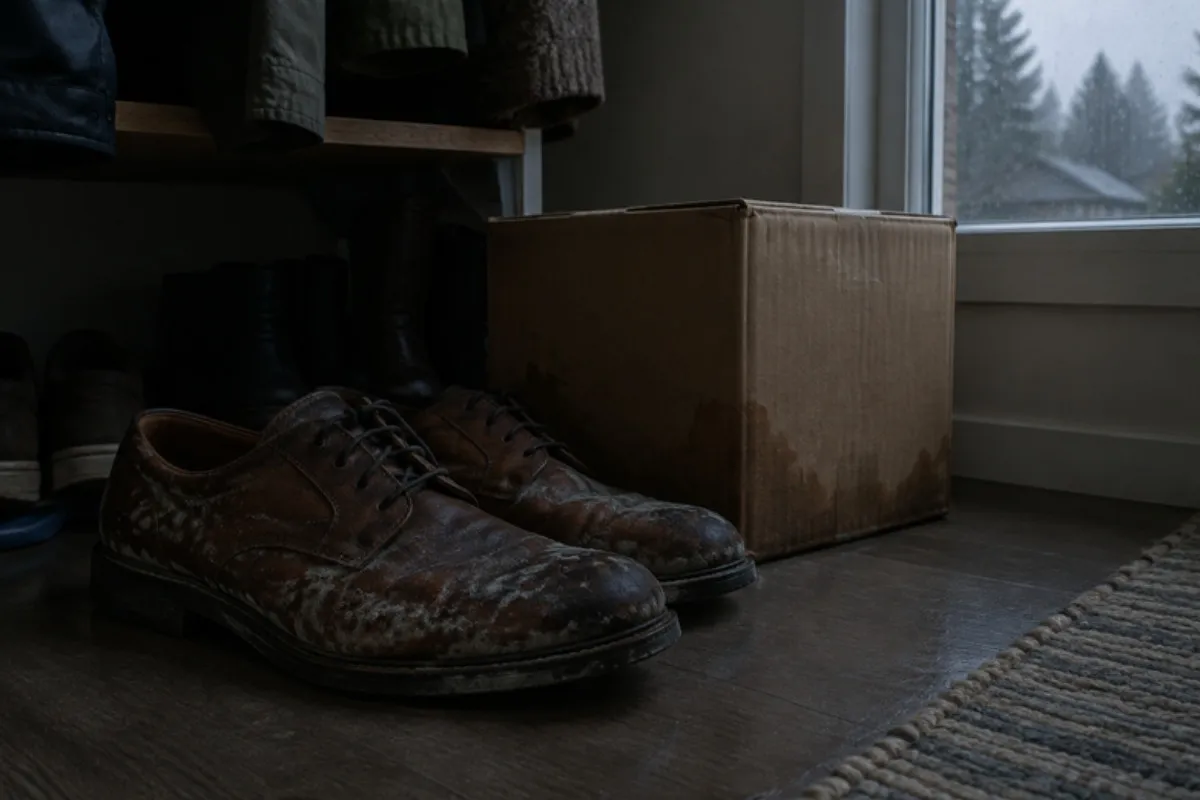
| Bloom on furniture, cabinets and boxes | Contents left in damp rooms |
| Peeling paint and soft baseboards | Moisture still trapped in the wall |
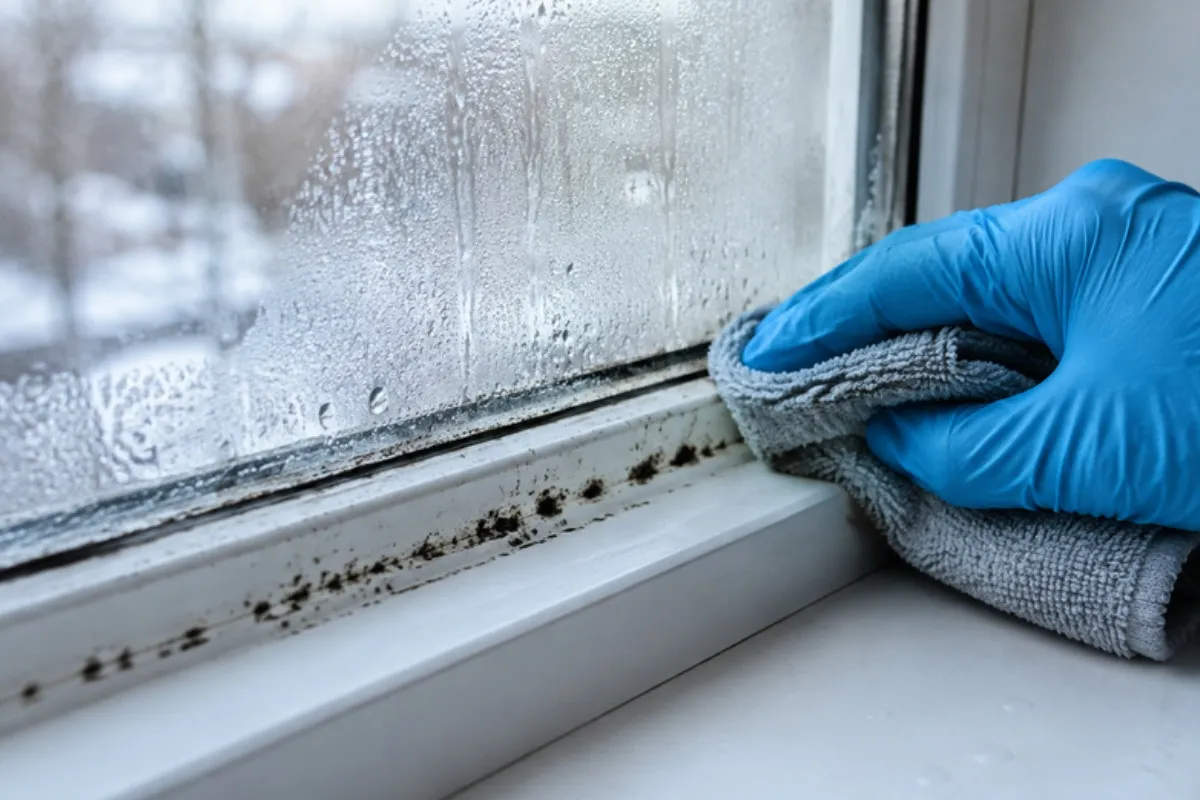
| Window and ceiling mildew in a dry year | Ordinary winter condensation |
What moves the cost
Angi's Seattle cost guide lists most mold work at $10 to $25 a square foot and drywall repair after removal at $825 to $2,400. After a flood, cost depends mainly on how high the water rose, how long materials stayed wet, how many rooms need material removed, and the rebuild. Pacific's Community Development building inspector issues permits and enforces building codes in the city.
Mold & Mildew Cleanup questions in Pacific
What should I do about mildew after floodwater came inside?
Do I need a permit for repairs after mildew cleanup?
Should mildewed carpet, curtains or ceiling tiles be thrown out?
Is mildew a health concern?
More mold services in Pacific
Mold & Mildew Cleanup nearby
Helpful guides
Sources
- Wikipedia: Pacific, Washington
- City of Pacific: 2025 Flood
- Fox Weather: Over 200 homes affected by levee breach in Washington town
- City of Pacific: Building Inspector/Code Enforcement job description (pdf)
- Angi: How Much Does Mold Remediation Cost in Seattle, WA?
- EPA: Homeowner's and Renter's Guide to Mold Cleanup After Disasters (pdf)
- EPA: Mold Cleanup in Your Home
Last updated: