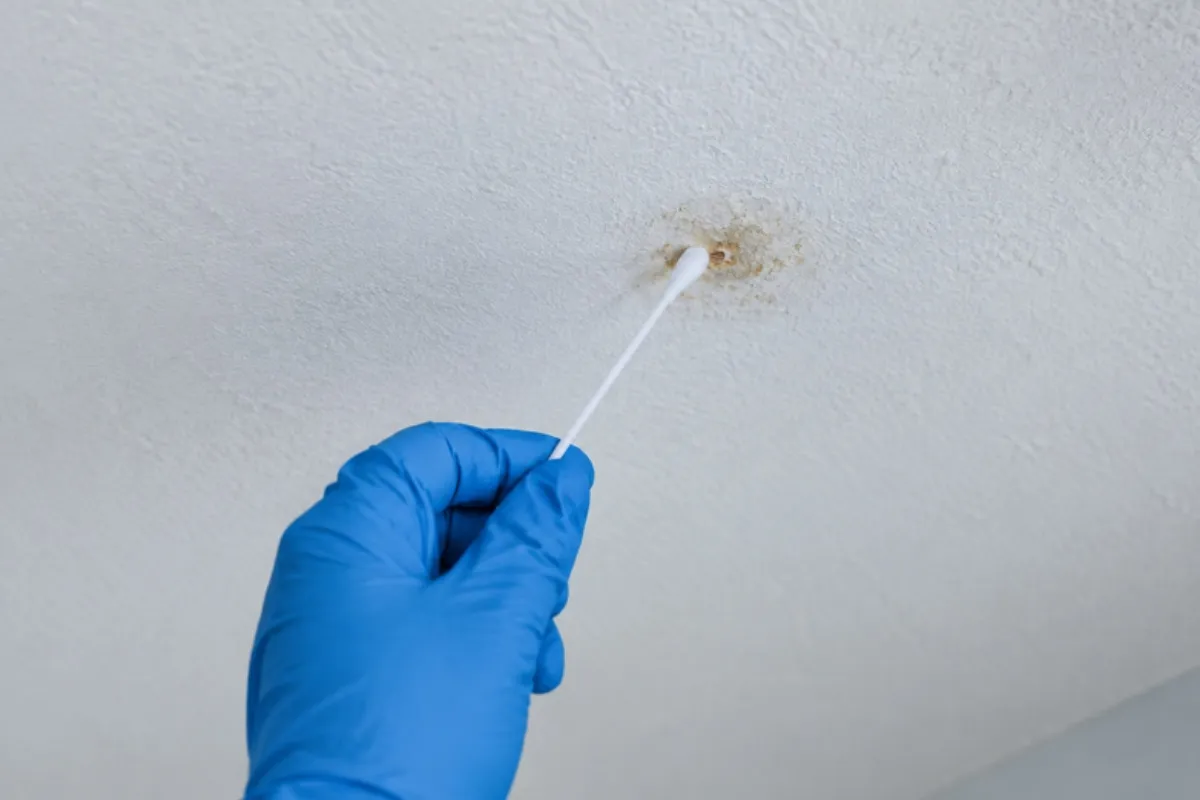
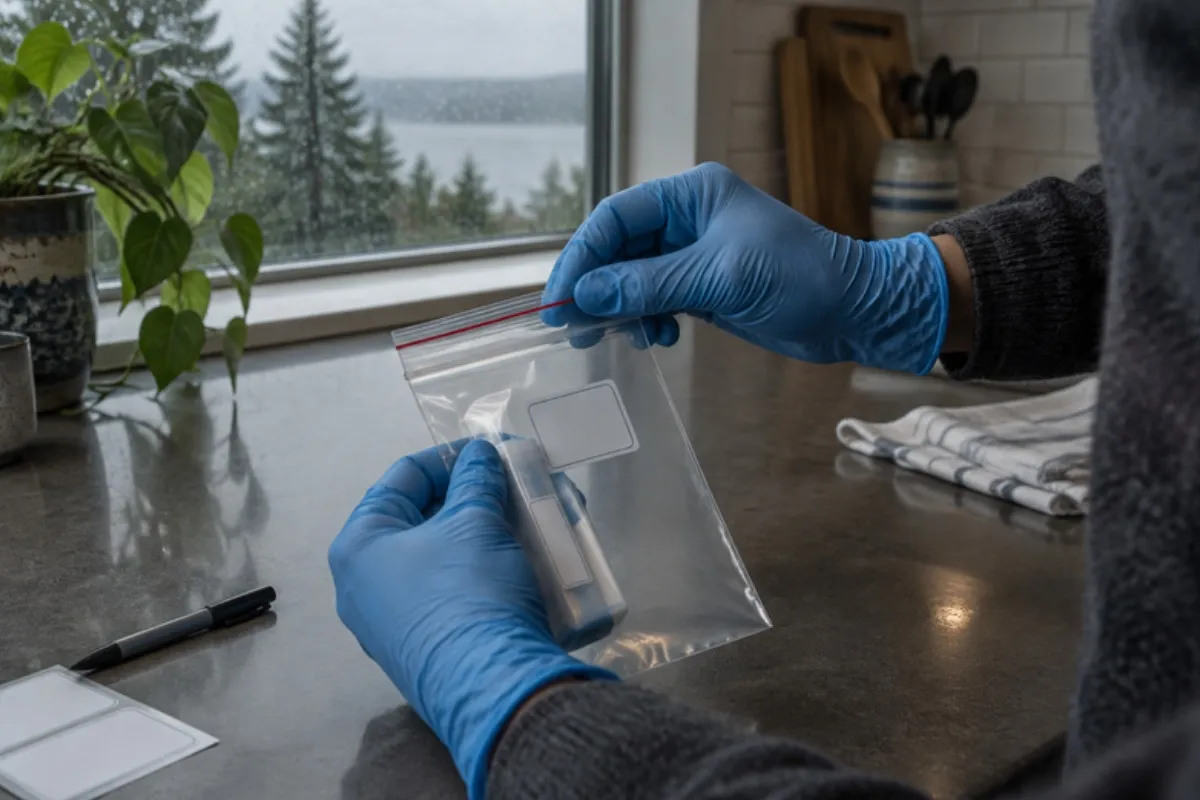
In Pacific, mold testing helps most after floodwater for checking rooms that look dry, for documenting conditions for insurance or a sale, and for clearance once remediation is done. Soaked drywall and insulation should come out whether or not a lab confirms mold. Call the number on this page to be connected with a local mold inspector in Pacific.
Pacific is a small city between Auburn and Sumner on the lower White River, also called the Stuck River, and it has a long flood history. Record November rains in 2006 pushed the river over its banks along Pacific City Park and left a temporary 25-acre lake. On January 8, 2009, releases from Mud Mountain Dam caused rapid flooding with virtually no notice. Early on December 16, 2025, a White River levee made of HESCO barriers breached, flooding a large part of the city; more than 200 homes were affected and over 600 people displaced.
What to do now
- Assume mold in anything that stayed wet more than 24 to 48 hours. That is EPA's guidance after floods, and it means testing is not needed to justify removing soaked drywall, insulation and carpet.
- Check with the City of Pacific before rebuilding. The city says repairs to flood-damaged property need building permits and/or floodplain development approvals, and it publishes cleanup guidance for structures in the floodplain.
- Keep people with asthma or weakened immune systems away from the cleanup, as EPA advises, and don't let children help.
- Use testing where it adds information: rooms upstairs or across the house that smell musty, shared walls, and the house after remediation, before walls are closed.
- Check flood coverage. The city notes homeowners insurance does not cover floods; ask your insurer whether written test results would support a claim.
Signs and likely causes
| What you see or smell | Likely cause |
|---|---|
| Musty odor in a room the water didn't reach | Moisture wicking up walls or humid air spreading from wet areas |
| Spotting on the lower part of drywall weeks later | Wet insulation or framing left inside the wall |
| Warped floors after cleanup | Subfloor or crawl space that hasn't dried |
| Odor when heat runs | Contaminated ductwork or furnace; EPA says don't run a system you suspect has mold |
Cost factors
Angi's 2026 national data puts combined air and surface testing at $250 to $500 and extensive air testing at up to $700. HomeGuide's 2026 national range for a bulk sample is $100 to $350. Your total depends on the number of samples and rooms, crawl space access and lab speed. Pacific is mostly in King County with part in Pierce, so the county health office that serves you depends on your address; King County residents can call Public Health - Seattle & King County for mold consultations.
Mold Testing questions in Pacific
Is mold testing useful after a flood?
Can testing confirm that a mold cleanup worked?
Can a mold test tell me whether my home is safe?
Are store-bought mold test kits worth it?
More mold services in Pacific
Mold Testing nearby
Sources
- EPA: Homeowner's and Renter's Guide to Mold Cleanup After Disasters (pdf)
- EPA: Mold Cleanup in Your Home
- EPA: Mold Information Slideshow (testing and sampling)
- Angi: How Much Does a Mold Inspection Cost? (2026 data)
- HomeGuide: How Much Does a Mold Inspection Cost? (2026)
- Angi: How to Hire a Mold Remediation Company (separate testing and remediation)
- King County Directory: Indoor Air Quality / Mold Problems consultations
- City of Pacific: 2025 Flood
- Fox Weather: Over 200 homes affected after levee breach
- Wikipedia: Pacific, Washington
Last updated: