In Auburn, mildew usually follows one of two paths: river water that soaked valley-floor homes and never fully dried, or months of winter condensation in houses on the hills. Small patches on hard surfaces can be cleaned by the homeowner, but spreading growth, anything on soaked drywall, or mildew that returns within weeks needs a professional. Call the number on this page to be connected with a local mold remediation company in Auburn.
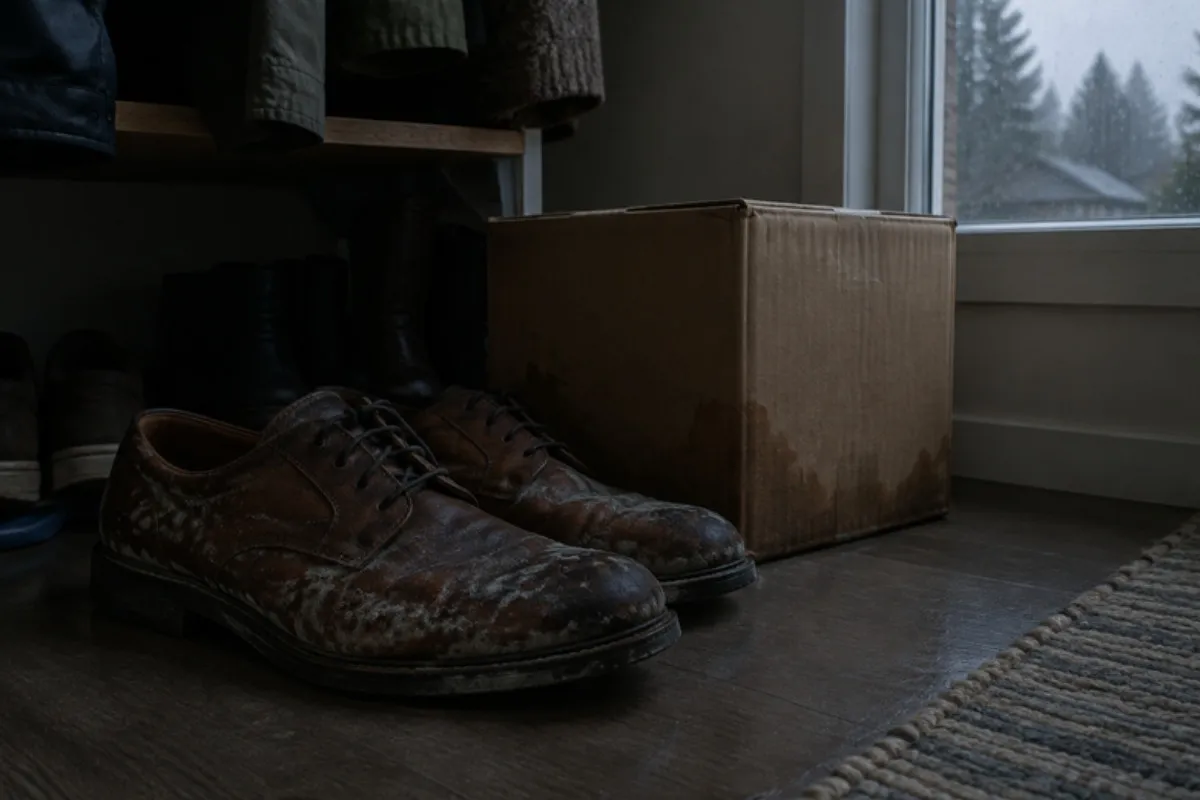
Signs the mildew is more than a quick wipe
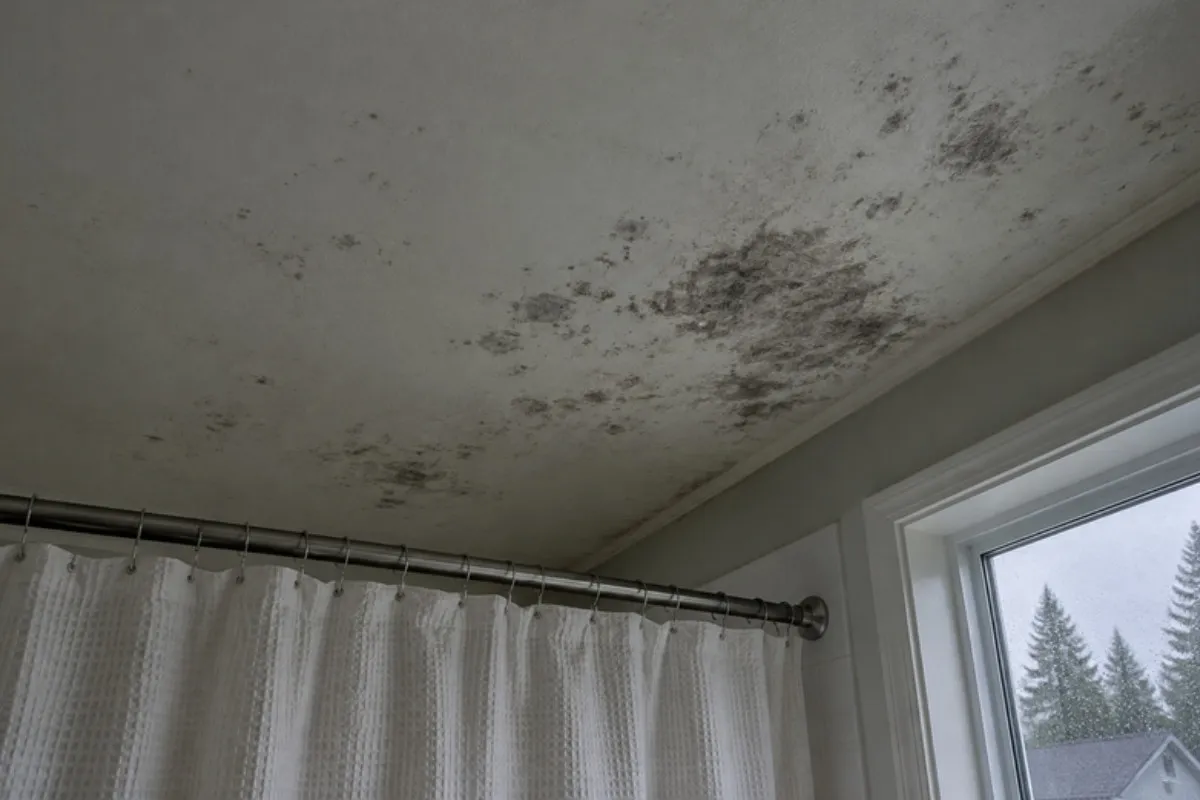
- Speckling that reappears on the same window frame or bathroom ceiling a few weeks after you scrubbed it
- A musty smell in a closet, a back bedroom or a room that sat closed during a storm
- Gray or white bloom on the backs of dressers, headboards or boxes pushed against outside walls
- Drywall that feels cool and slightly soft, or paint that has started to bubble
- A faint tide line low on walls or cabinets, a sign water came in from outside
What feeds mildew in Auburn homes
Auburn sits about 22 miles south of Seattle, mostly in King County with a slice in Pierce. The Green and White rivers both run through the city, and parts of it lie in FEMA-regulated floodplain. River flooding was a regular problem in the early days, before Mud Mountain Dam and Howard A. Hanson Dam were finished, and the dams still don't stop every high-water event. On Dec. 13, 2025 the Green River at Auburn reached 68.7 feet, and two days later King County ordered evacuations in parts of Auburn, Kent and Tukwila after a levee failed. Homes that took on water that week, or sat closed and damp while families were away, often show mildew on lower walls, baseboards, furniture and stored clothing months later.
On Lea Hill, West Hill and in Lakeland Hills the cause is usually indoor moisture rather than the river. Long gray stretches from October to April keep windows, bathroom ceilings and outside walls cold, and steamy air from showers, cooking and laundry settles there. In ZIP code 98001, which covers part of Auburn plus nearby areas, about 41 percent of houses were built in 1979 or earlier, and older walls and windows tend to run colder in winter.
What moves the price
Angi's Seattle cost guide puts bathroom mold remediation at $425 to $825, and notes that most pros charge $10 to $25 a square foot. A light surface job on tile and window trim stays near the low end. Costs climb when drywall, carpet or insulation has to be cut out, when several rooms are involved, or when water from a flood soaked materials that can't be cleaned. Rebuilding inside the regulated floodplain can also require a City Floodplain Development Permit, so check with the city before replacing walls.
What happens when you call
This line connects you with an independent local mold remediation company; the site itself doesn't clean or inspect anything. Describe where the mildew is, how large the area looks, whether it followed the December 2025 high water or a leak, and whether the area is dry now. Expect a visit, a moisture check and a written scope. Washington has no state mold license, so confirm the company is registered with Washington L&I as a construction contractor on L&I's Verify a Contractor tool.
Mold & Mildew Cleanup questions in Auburn
What should I do about mildew after floodwater came inside?
Does homeowners insurance cover mildew cleanup?
Do I need a permit for repairs after mildew cleanup?
How much mildew can I clean up myself?
More mold services in Auburn
Mold & Mildew Cleanup nearby
Helpful guides
Sources
- Wikipedia: Auburn, Washington
- City of Auburn: Floodplain Management and Flood Information
- Washington Times: Levee fails after week of heavy rain, evacuations ordered in 3 south Seattle suburbs
- City-Data: ZIP 98001 housing
- Angi: How Much Does Mold Remediation Cost in Seattle, WA?
- L&I: Verify a Contractor, Tradesperson or Business
- EPA: Homeowner's and Renter's Guide to Mold Cleanup After Disasters (pdf)
- EPA: Mold Cleanup in Your Home
- Washington DOH: Mold
Last updated: