Mold testing in Auburn is most useful when a room smells musty but nothing is visible, when you need written results for a sale or a landlord, or when you want proof that a cleanup worked. If growth is already showing, EPA says sampling is usually unnecessary. Call the number on this page to be connected with a local mold inspector in Auburn.
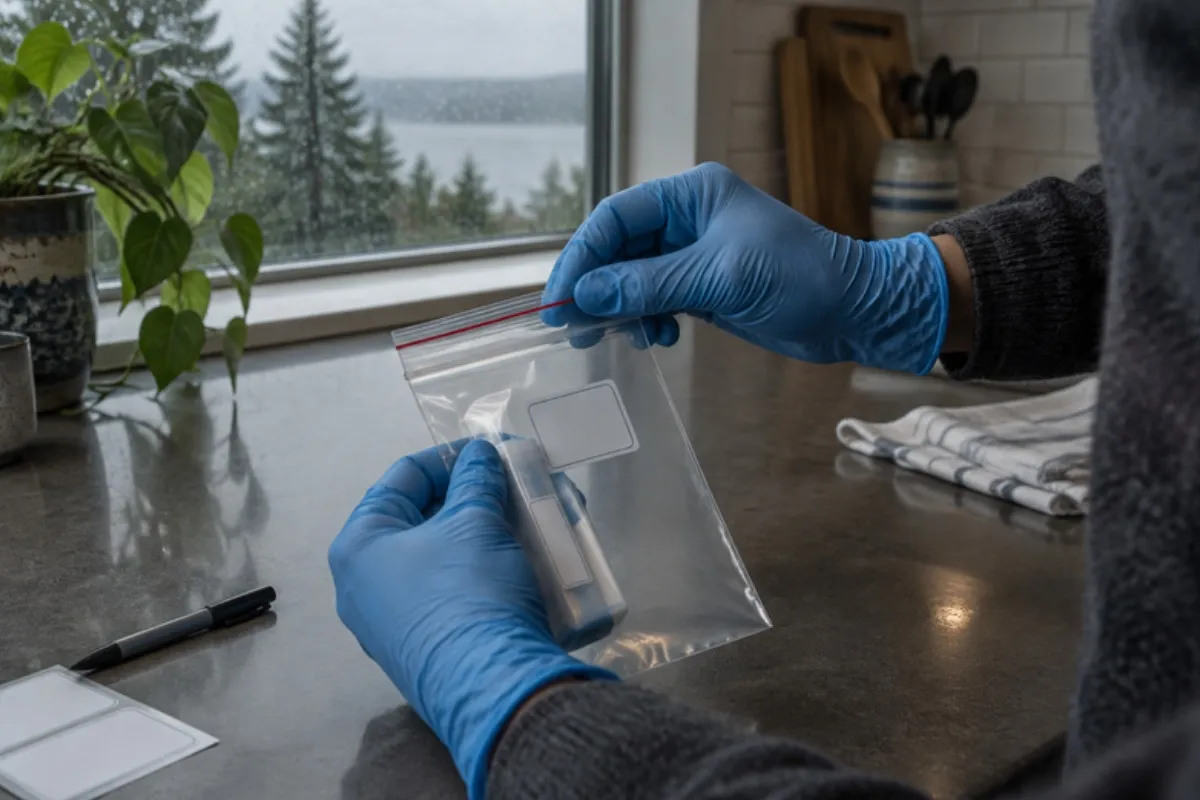
Signs a test could actually help
- A stale, earthy odor in one room that does not go away after airing it out.
- Water got into a lower level or garage and you are unsure whether finished rooms above stayed dry.
- Someone in the house reacts indoors but not outside, and no growth is in sight.
- You are selling a home on Lea Hill or West Hill and the buyer wants documentation.
- Remediation just ended and you want clearance before new drywall goes up.
If you can see growth on a wall or in a crawl space, skip the sample and go straight to finding the moisture. The Washington Department of Health says most mold can be seen or smelled, and even a clean, dry house holds some spores.
What is different about Auburn
Auburn grew up on a valley floor where the Green and White rivers flooded often until Mud Mountain Dam and Howard A. Hanson Dam were built. The risk did not vanish. In December 2025, after a week of heavy rain, the Green River at Auburn reached 68.7 feet, a levee failed nearby, and King County ordered evacuations in parts of Auburn, Kent and Tukwila.
After that kind of event, EPA advises treating any space that could not be dried within 24 to 48 hours as moldy. Testing does not change that answer. Where it earns its fee is in the rooms next door: a bedroom above a wet garage, a hallway closet sharing a wall with a soaked laundry room.
Housing age also matters. In ZIP code 98001, which covers part of Auburn plus land outside the city, about 41 percent of houses were built in 1979 or earlier. Older framing, tired window seals and vented crawl spaces give the long wet season more places to work on.
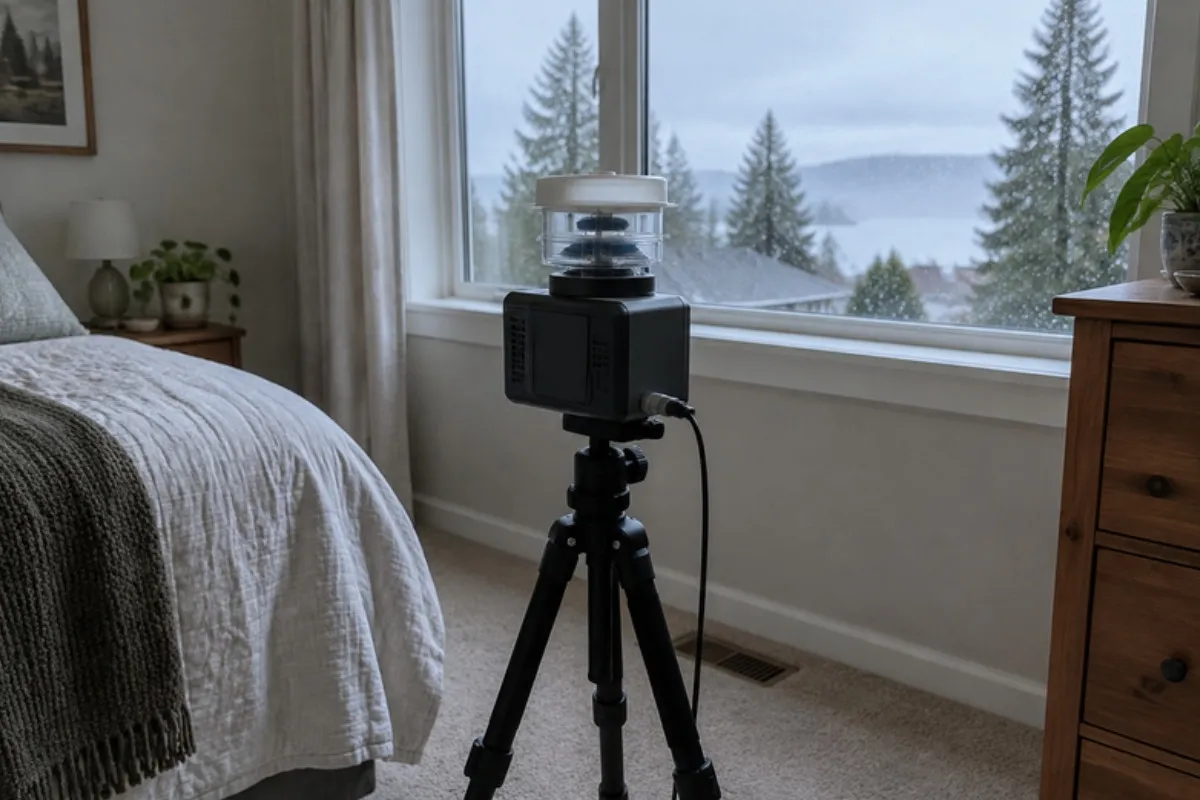
What drives the price
National figures give a rough idea. Angi's 2026 data puts a basic air test at $250 to $350, rising to about $700 for extensive testing, and a swab test at $200 to $300. HomeGuide's 2026 national range for an air sample is $100 to $300 per sample. Your total depends on how many rooms are sampled, whether an outdoor control is taken, crawl space access, and how fast you want the lab report.
What happens when you call
The line connects you with an independent local inspector or mold company. Describe the smell, any water history and the age of the house. Ask what each sample is meant to answer and request a written report with moisture readings. Angi suggests hiring a different company for testing than for removal, and if repairs follow, Washington L&I's Verify tool shows whether the contractor is registered. Any repair work in the regulated floodplain may also need a City of Auburn Floodplain Development Permit.
Mold Testing questions in Auburn
Is mold testing useful after a flood?
Can a mold test tell me whether my home is safe?
Should the same company test for mold and remove it?
How much does mold testing cost?
More mold services in Auburn
Mold Testing nearby
Helpful guides
Sources
- EPA: Mold Information Slideshow (testing and sampling)
- EPA: Homeowner's and Renter's Guide to Mold Cleanup After Disasters (pdf)
- Washington DOH: Mold
- Angi: How Much Does a Mold Inspection Cost? (2026 data)
- HomeGuide: How Much Does a Mold Inspection Cost? (2026)
- Angi: How to Hire a Mold Remediation Company (separate testing and remediation)
- L&I: Verify a Contractor, Tradesperson or Business
- Washington Times: Levee fails after week of heavy rain, evacuations ordered south of Seattle
- City of Auburn: Floodplain Management and Flood Information
- Wikipedia: Auburn, Washington
- City-Data: ZIP code 98001 housing
Last updated: