A mold inspection in Snoqualmie usually starts with one question: how far did the water get? Downtown sits mostly in the Snoqualmie River floodplain, so inspectors here spend much of their time on basements, crawl spaces and the lower parts of walls after high water. Call the number on this page to be connected with a local mold inspector in Snoqualmie.
Our house took water in December 2025. How do we know if mold got into the walls?
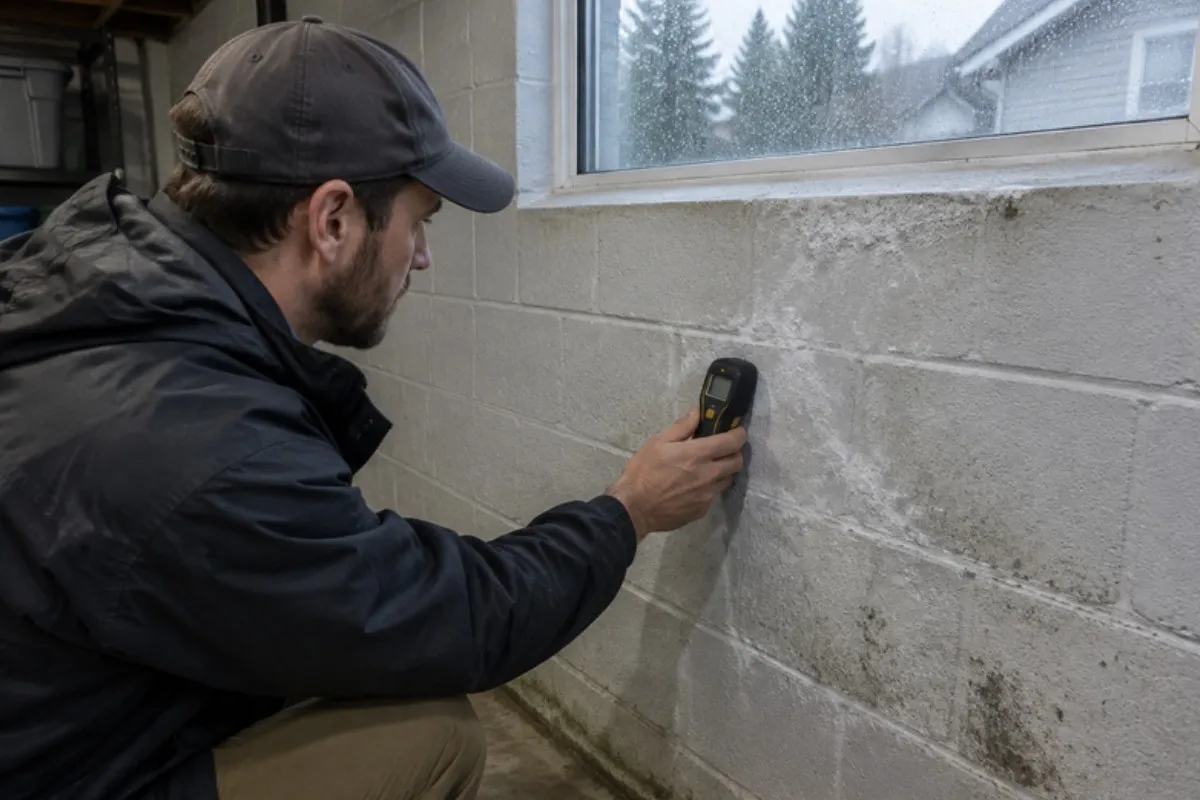
EPA says that if a flooded home could not be dried within 24 to 48 hours, you should assume mold has started. The inspection's job is to show where. Expect moisture readings taken up the wall from the floor, checks behind baseboards and under stairs, and a look at insulation and framing below the house. The December 2025 atmospheric river storms pushed the river near Snoqualmie to roughly 70,000 cubic feet per second, just under the November 1990 flood that the city counts as its worst. Homes that took water in 2025, in January 2009 or earlier may still hold damp framing or old staining that was painted over.
Our home was raised. Does it still need a crawl space check?
Yes. Elevating homes has been the most common way Snoqualmie protects houses from flooding, and in the city's repetitive-loss areas basements and crawl spaces are the main foundation types. Raising a house keeps the living space above the water, but the area underneath can still flood, drain slowly and hold humidity. Ask the inspector to look at the underside of the subfloor, the joists and any ductwork running below the house.
Is flood mud a bigger concern than an ordinary leak?
It can be. City flood guidance warns that flood mud can carry sewage and chemicals and tells residents to clean and disinfect everything that got wet. Washington DOH also suggests considering a professional when mold involves sewage or covers more than about 10 square feet. An inspector's report helps a remediation company plan safe removal of porous materials such as drywall, carpet and insulation.

Kimball Creek and the valley floor
Snoqualmie has 373 properties in four flood repetitive-loss areas. Floodwater collects on the flat valley floor, and Kimball Creek backs up when the river runs high, so homes near the creek can take water even when the river stays off their street. Newer houses elsewhere in the city, where the median home dates to 2006, more often show mold from leaks and condensation than from flooding. When repairs go beyond cleanup, the City of Snoqualmie Building Division on SE River Street issues building permits.
Mold Inspection questions in Snoqualmie
Should I clean visible mold before the inspector comes?
Will homeowners insurance pay for a mold inspection?
What is a clearance or post-remediation inspection?
How much does a mold inspection cost?
More mold services in Snoqualmie
Mold Inspection nearby
Helpful guides
Sources
- City of Snoqualmie: 2023-2024 Flood Report
- City of Snoqualmie: Repetitive Loss Area Analysis (2024 draft)
- King County: Snoqualmie-Skykomish 2025 flood overview (pdf)
- City of Snoqualmie: Building Division
- City-Data: Snoqualmie, WA housing
- EPA: Homeowner's and Renter's Guide to Mold Cleanup After Disasters (pdf)
- EPA: Mold Information Slideshow (testing and sampling)
- Washington DOH: Mold
- Angi: How Much Does a Mold Inspection Cost? (2026 data)
- HomeGuide: How Much Does a Mold Inspection Cost? (2026)
Last updated: