In Snoqualmie, mildew shows up two ways: everyday surface growth from winter condensation in newer homes, and mold that follows floodwater on the valley floor downtown. Small, dry patches on hard surfaces are a homeowner job; anything touched by floodwater, larger than about 10 square feet or soaked into drywall belongs with a professional. Call the number on this page to be connected with a local mold remediation company in Snoqualmie.
Is mildew after a flood just a cleaning job?
Usually not. Most of downtown Snoqualmie sits on the flat valley floor inside the Snoqualmie River floodplain, and Kimball Creek backs up when the river runs high. The city's flood guidance says to clean and disinfect everything that got wet and warns that flood mud can carry sewage and chemicals. Washington DOH suggests considering a professional for mold mixed with sewage, for anything over about 10 square feet and for growth in hidden places. EPA adds that a flooded home that couldn't be dried within 24 to 48 hours should be assumed to have mold. Drywall, insulation and carpet that sat in floodwater generally come out rather than get wiped down.
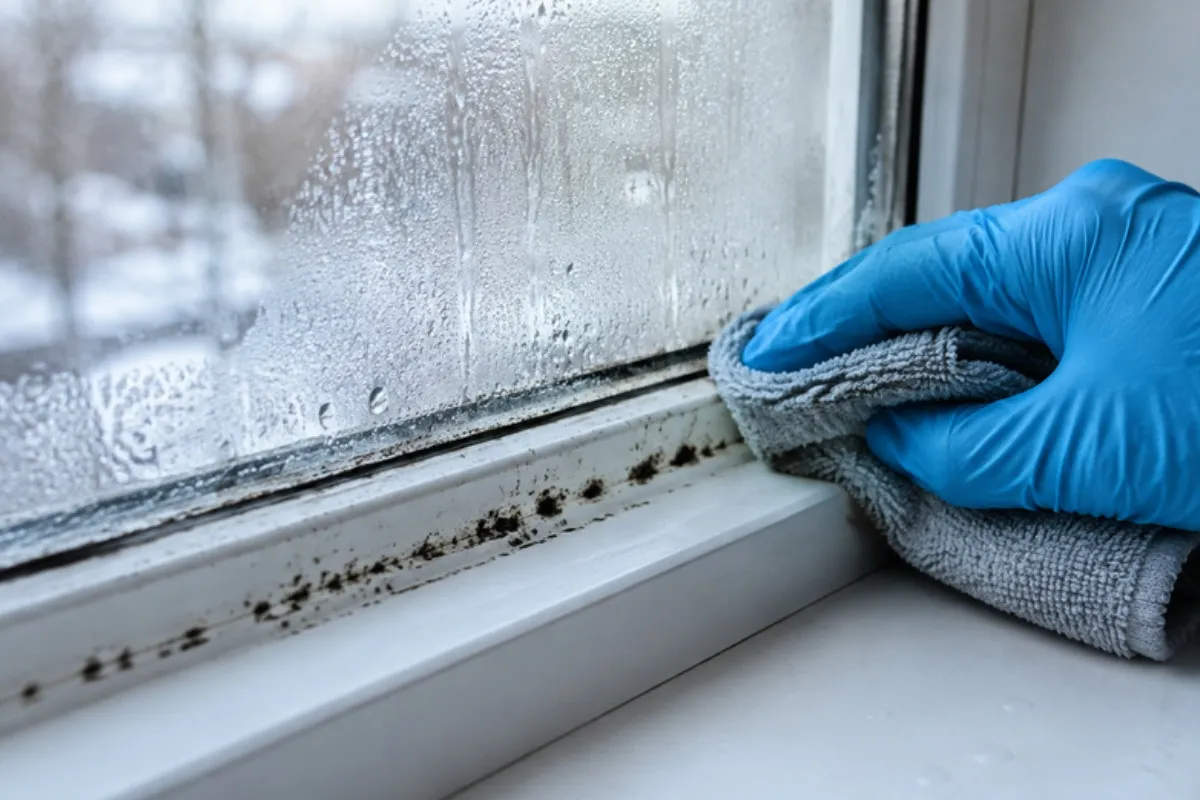
Our house is fairly new. Why is there mildew on the windows?
The median Snoqualmie home was built around 2006, and newer, tighter houses hold indoor moisture well. Showers, cooking, laundry and breathing all add water to the air, and through the wet months it condenses on glass and in the coldest corners. Gray growth on vinyl frames and sills is usually surface mildew that comes off with detergent and water. Keep it from returning by running bath and kitchen fans, holding indoor humidity under 60 percent as EPA recommends, and wiping condensation on cold mornings.
Will a homeowner's policy cover flood-related cleanup?
The city points out that standard homeowner's policies do not cover flood damage; that takes separate flood coverage. Coverage for slow condensation problems depends on the policy and the cause. Call your insurer before work starts, keep photos and receipts, and hold on to anything you throw out until an adjuster has seen it or accepted photos. If repairs involve rebuilding, the City of Snoqualmie Building Division issues building permits.
Flood history in brief
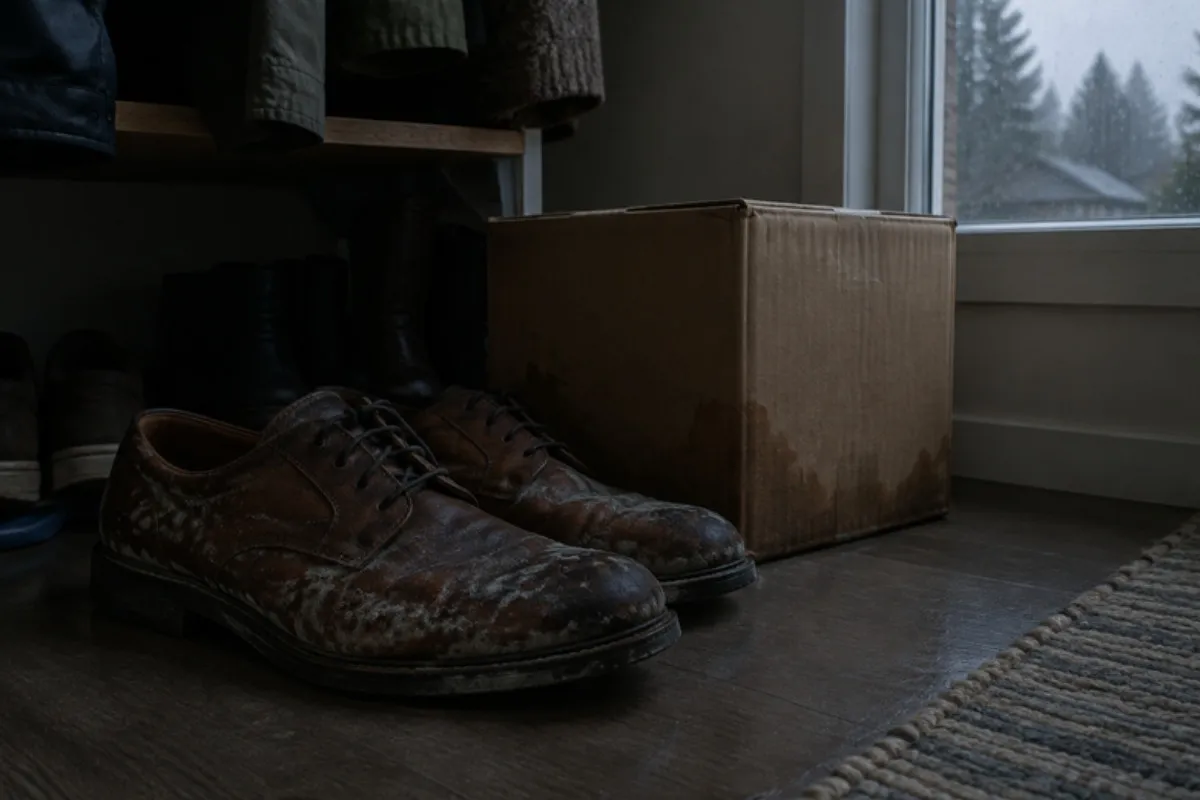
The November 1990 Snoqualmie River flood is the worst in the city's known history, January 2009 was the last major one before 2025, and the December 2025 atmospheric river flooding pushed the river near Snoqualmie close to the 1990 peak. In the city's flood repetitive-loss areas, homes mostly sit on basements and crawl spaces, where damp can linger long after the water leaves. Anyone cleaning up after high water should wear gloves, eye protection and at least an N-95 respirator, as EPA advises, and keep children out of the work area.
Mold & Mildew Cleanup questions in Snoqualmie
Water got into the house. Is this still a mildew cleanup?
Can mildewed furniture, rugs or clothes be saved?
Will homeowners insurance pay for mildew cleanup?
Who can answer health questions about mildew?
More mold services in Snoqualmie
Mold & Mildew Cleanup nearby
Helpful guides
Sources
- City of Snoqualmie: 2023-2024 Flood Report
- City of Snoqualmie: Draft 2024 Repetitive Loss Area Analysis
- King County: Snoqualmie-Skykomish December 2025 flood overview (pdf)
- City-Data: Snoqualmie housing
- City of Snoqualmie: Building Division
- King County: Environmental Health indoor air quality and mold consultations
- Washington State Department of Health: Mold
- EPA: Homeowner's and Renter's Guide to Mold Cleanup After Disasters (pdf)
- EPA: A Brief Guide to Mold, Moisture and Your Home
Last updated: