Dark mold in an Auburn home is handled like any other mold: find the water that fed it, remove or clean what is growing, and dry the structure. That matters here because Green and White River high water and long wet winters on the hills both leave materials damp long enough for growth to take hold. Call the number on this page to be connected with a local mold remediation company in Auburn.
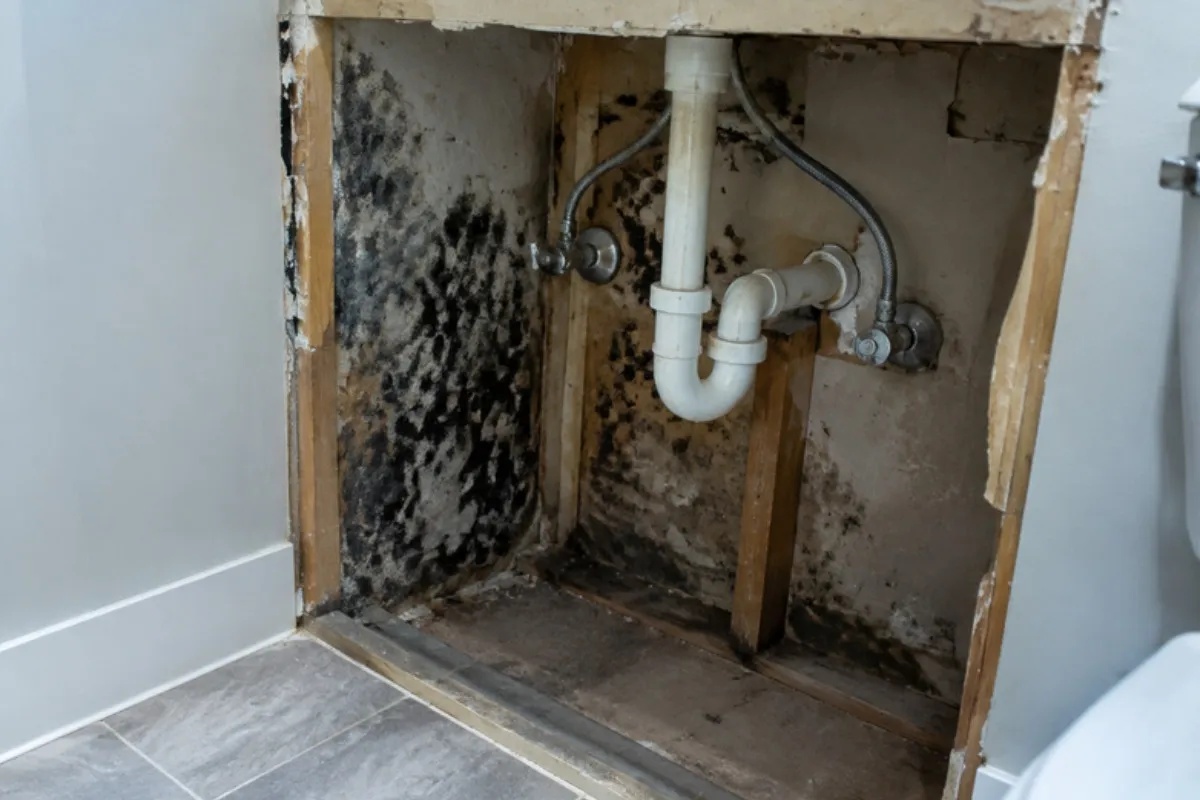
What dark mold looks like in Auburn homes
- Black or greenish-black speckling along baseboards and the lower edge of drywall in rooms that took on water
- Spots spreading across a bedroom's outside wall behind a dresser or headboard
- Gray-black growth on window frames and sills after months of winter condensation
- A sour, musty smell in a closet or downstairs room that doesn't clear when the heat runs
- Paint bubbling or wallpaper lifting over a stain that keeps getting larger
Why Auburn houses stay wet long enough to grow it
Auburn sits about 22 miles south of Seattle, mostly in King County with a small piece in Pierce County around the Lakeland Hills community. The Green and White rivers both run through the city, and parts of town lie inside the FEMA-regulated floodplain. Mud Mountain and Howard A. Hanson dams ended the frequent floods of the city's early years, but not every high-water event. The Green River at Auburn reached 68.7 feet on Dec. 13, 2025, and two days later King County ordered evacuations in parts of Auburn, Kent and Tukwila after a levee failed. Walls and floors that sat wet that month are exactly where dark growth tends to show up weeks or months later.
Away from the river, the usual Puget Sound pattern applies on Lea Hill and West Hill: a long gray season, windows kept shut, and cold exterior walls that collect condensation. In ZIP code 98001, which covers part of Auburn plus nearby areas, about 41 percent of houses were built in 1979 or earlier, and older walls and windows tend to run colder.
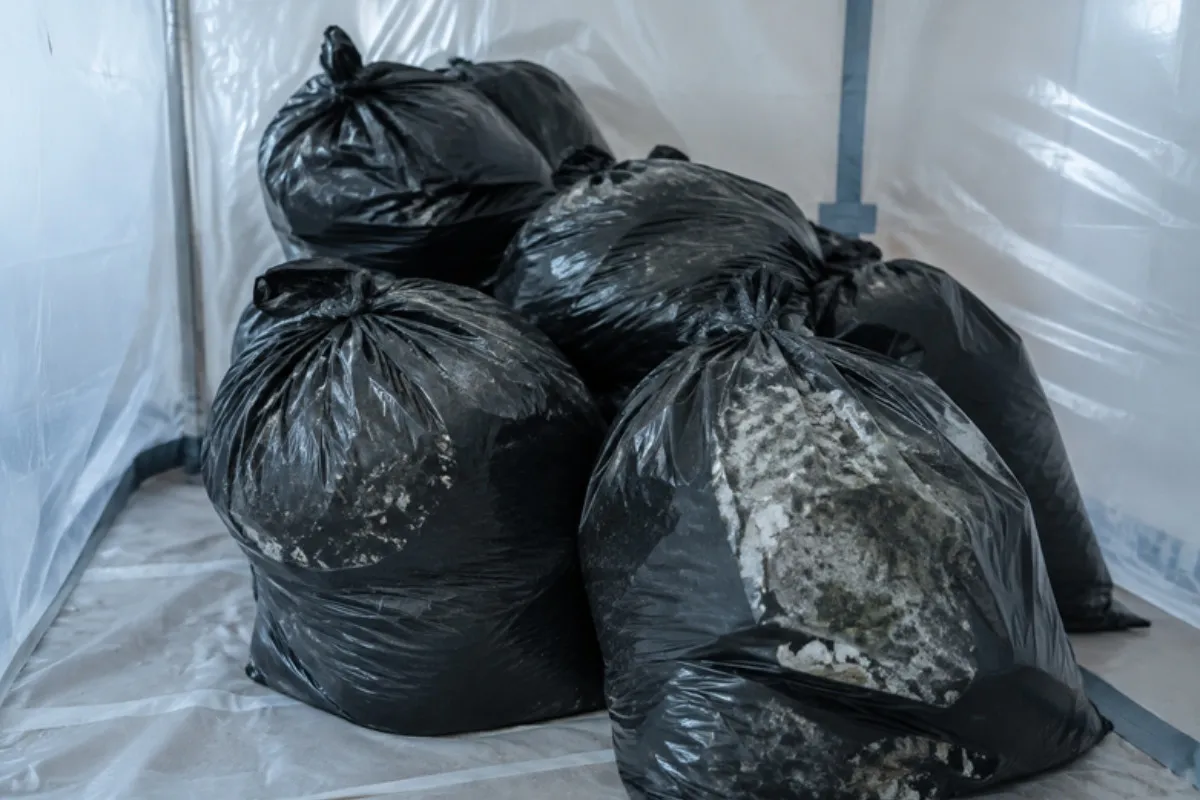
What moves the price
Angi's Seattle cost guide reports a typical remediation job at $1,008 to $2,967. How dark the growth looks has nothing to do with it. Cost follows the square footage, whether drywall and insulation have to be cut out, how hard the area is to reach and seal off, and the drywall, carpet or trim repairs afterward. If the house is inside the regulated floodplain, rebuilding may need a City Floodplain Development Permit, so ask Development Engineering before walls are closed up.
What to expect when you call
This line connects you with an independent local mold remediation company; the site doesn't do removal work itself. Mention where the growth is, roughly how large it is, and whether the water came from the river, a roof or a plumbing leak. A careful company will want the moisture source identified and fixed before quoting, and should give you a written scope. Washington has no state mold license or certification, so check that the business is registered with Washington L&I as a construction contractor on L&I's Verify a Contractor tool.
Black Mold Removal questions in Auburn
Floodwater got into my house. Should I assume black mold?
Will homeowners insurance pay for black mold removal?
Do I need a permit to replace drywall after black mold is removed?
Is black mold more dangerous than other kinds of mold?
More mold services in Auburn
Black Mold Removal nearby
Sources
- Wikipedia: Auburn, Washington
- City of Auburn: Floodplain Management and Flood Information
- Washington Times: Levee fails after week of heavy rain, evacuations ordered in 3 south Seattle suburbs
- Kent Reporter: Flood science, how December's atmospheric river soaked WA
- City-Data: ZIP 98001 housing
- Angi: How Much Does Mold Remediation Cost in Seattle, WA?
- L&I: Verify a Contractor, Tradesperson or Business
- EPA: Homeowner's and Renter's Guide to Mold Cleanup After Disasters (pdf)
- EPA: Mold Cleanup in Your Home
Last updated: