Snoqualmie walls get moldy two ways: floodwater from the Snoqualmie River or Kimball Creek soaking the lower drywall, and everyday leaks or condensation inside newer, tighter homes. Either way, wet drywall and insulation usually come out, the framing is cleaned and dried, and the wall is rebuilt once readings are dry. Call the number on this page to be connected with a local mold remediation company in Snoqualmie.
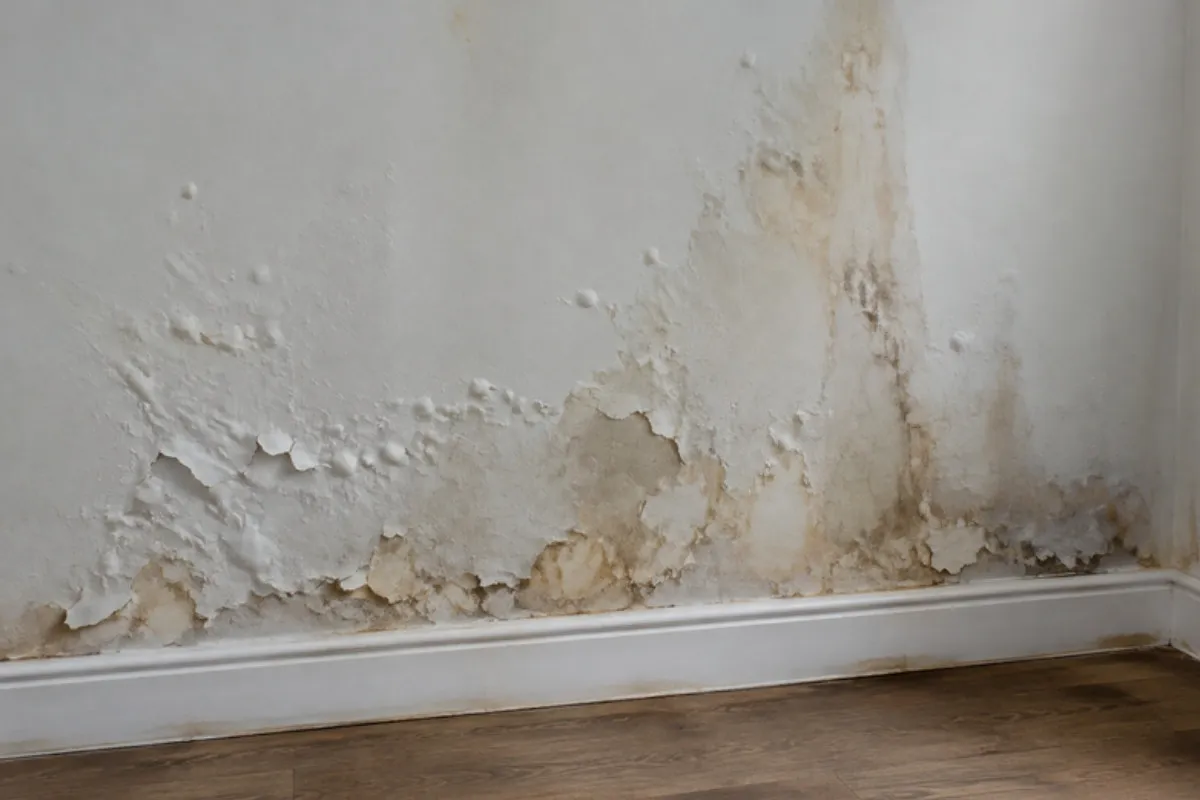
River water got into our house. How much wall has to come out?
Usually more than the visible waterline. Drywall wicks water upward, and insulation behind it stays wet long after the floor dries. EPA says that if a home was flooded and could not be dried within 24 to 48 hours, you should assume mold growth. Remediation companies typically cut drywall and remove insulation a margin above the highest wet reading, then clean and dry the studs. The City of Snoqualmie tells residents to clean and disinfect everything that got wet and warns that flood mud can carry sewage and chemicals, which is one more reason soaked wallboard is rarely worth saving. The city counts the November 1990 flood as the worst in its known history, the January 2009 flood as the last major one before 2025, and provisional King County data puts the December 2025 crest near Snoqualmie at about 70,000 cubic feet per second, just below 1990.
Our house is fairly new. Can the walls still get moldy?
Yes. The median Snoqualmie home was built around 2006, and newer houses are often built tighter, which keeps heat in but also keeps moisture in. A slow drip behind a shower, a washer hose that weeps, or condensation in a closet on an outside wall can feed mold for months without showing. Bath fans that run long enough and steady winter heat do a lot to prevent it.
Do we need a permit to rebuild?
Removing moldy drywall is not usually treated as permitted work on its own, but replacing framing, wiring or plumbing can be. The City of Snoqualmie Building Division, at 38624 SE River Street (425-888-5435), issues building permits. The city also notes that standard homeowner policies do not cover flood damage and that elevating homes has been the most common way Snoqualmie houses have been protected, so major post-flood work is worth discussing with the city early.
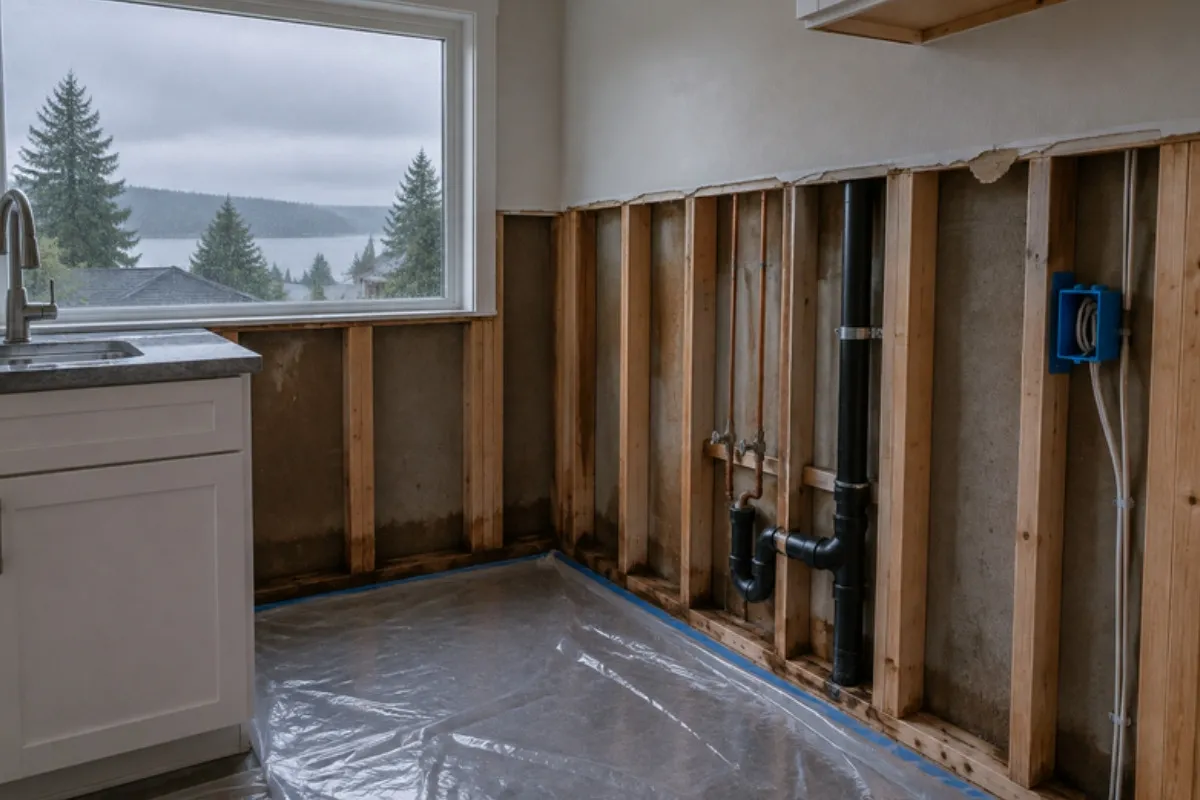
Local note
In the city's flood repetitive-loss areas, basements and crawl spaces are the main foundation types and slabs are uncommon. That means wall damage often continues below the main floor, so have the company check lower-level walls and the crawl space, not just the room where you noticed the stain.
Mold in Walls & Drywall questions in Snoqualmie
Floodwater soaked the lower part of my walls. What has to come out?
Will homeowners insurance pay for mold in my walls?
How long will the wall be open?
Who fixes the leak, the mold company or a plumber?
More mold services in Snoqualmie
Mold in Walls & Drywall nearby
Helpful guides
Sources
- City of Snoqualmie: 2023-2024 Flood Report
- City of Snoqualmie: Repetitive Loss Area Analysis (draft, 2024)
- Snoqualmie-Skykomish 2025 flood overview (King County, provisional)
- City-Data: Snoqualmie, WA houses
- City of Snoqualmie: Building Division
- EPA: Homeowner's and Renter's Guide to Mold Cleanup After Disasters (pdf)
Last updated: